
The Academy calls it a historic leap toward global audiences — but behind the hype, unanswered questions about ads, influencers, auteurs, and comment-section anarchy are already making Hollywood nervous.
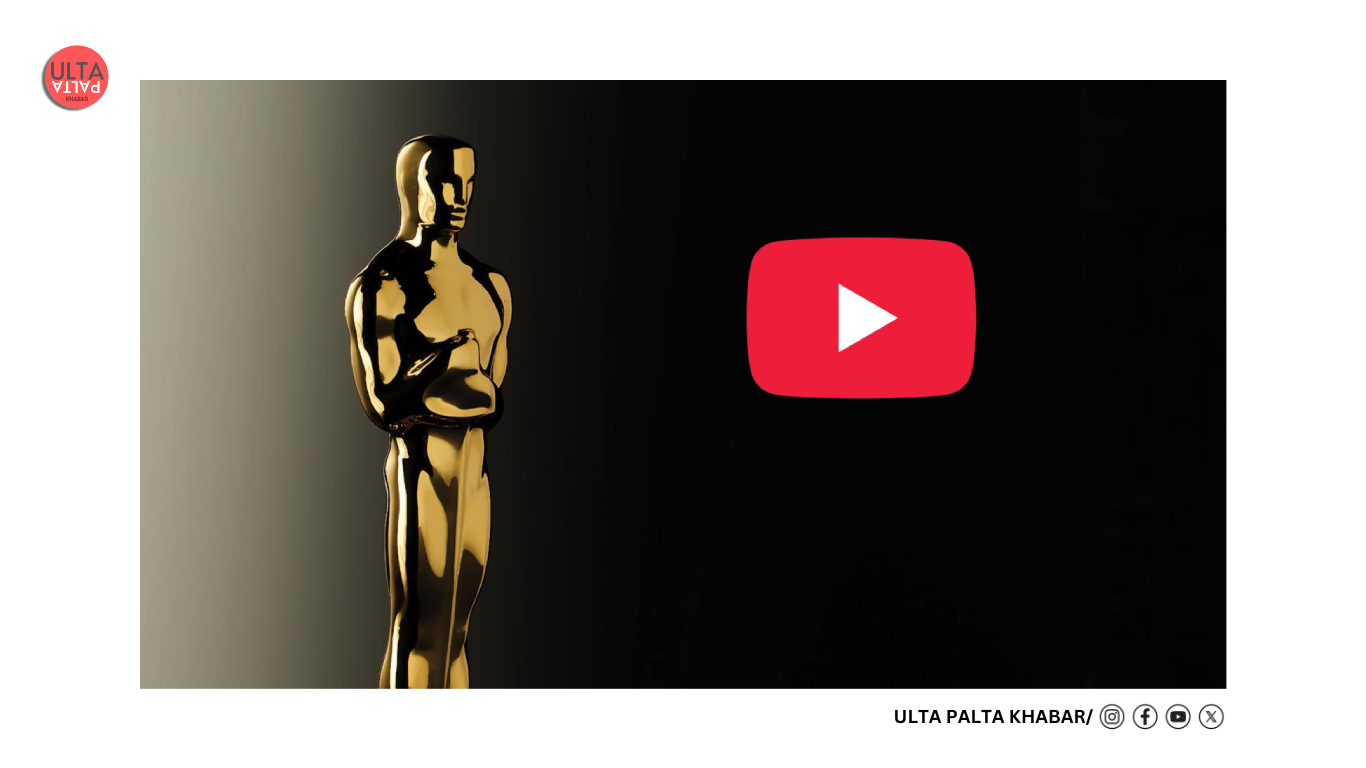
In what may go down as the most disruptive move in Oscar history, the Academy of Motion Picture Arts and Sciences has announced that the Oscars will stream exclusively on YouTube from 2029 through 2033, ending nearly a century-long relationship with traditional broadcast television.
The official framing is all optimism and innovation: global accessibility, freedom from rigid broadcast windows, and a chance to finally modernize a ceremony many feel has struggled to stay culturally relevant. But in Hollywood — where nothing is ever just about innovation — the excitement is already laced with anxiety, skepticism, and more than a little side-eye.
Because once the celebratory press releases fade, one truth becomes clear: the Academy has opened a Pandora’s box it may not be fully prepared to manage.
Free to Watch… But at What Cost?
Yes, the Oscars will be “free” on YouTube. But YouTube is not public television. It is an advertising juggernaut built on monetization, targeting, and algorithmic decision-making.
The Academy has promised that acceptance speeches will no longer be rudely cut short by orchestral music — a long-standing complaint among nominees. But here’s the awkward question no one has answered yet: will speeches be interrupted by ads instead?
Pre-roll ads before the stream feel inevitable. Mid-roll ads during the ceremony feel possible. Algorithmically inserted breaks, triggered by viewer drop-off or engagement metrics, feel downright terrifying.
Imagine an emotional Best Actress speech… abruptly followed by a 15-second ad for protein powder.
That’s not cinematic liberation. That’s YouTube reality.
Are Influencers the New Oscar Presenters?
YouTube is not just a platform — it’s a celebrity ecosystem of its own. Some creators boast subscriber counts that dwarf the box office pull of mid-tier movie stars. Which raises an uncomfortable but unavoidable question:
Are we about to see influencers presenting Oscars?
The Academy has talked openly about “reaching new generations of filmmakers,” which in platform-speak often translates to courting influencer culture. And while there’s nothing inherently wrong with creators, it represents a massive tonal shift for a ceremony built on legacy, prestige, and institutional authority.
Hollywood insiders are already whispering: will the Oscars stick with industry veterans and A-list actors — or will creators with massive online followings suddenly find themselves handing out statuettes?
The answer will define whether this move feels like evolution… or surrender.
The End of Studio Synergy Games?
Ironically, some studio executives are quietly relieved.
For decades, the Oscars’ broadcast partners — most recently ABC — created subtle (and sometimes not-so-subtle) promotional synergies. Presenters often happened to star in upcoming films from the same corporate parent.
This year alone, viewers noticed when actors tied to a major Disney release appeared prominently during the ceremony — a coincidence no one in Hollywood truly believes is accidental.
YouTube, at least in theory, offers a more “neutral” distribution platform. Studios won’t be able to quietly leverage network ownership for cross-promotion. That neutrality could reset the optics — even if it introduces entirely new complications.
Who Is Actually Producing This Thing?
This might be the most critical unanswered question of all.
The traditional Oscars is engineered by veteran live-TV producers who understand pacing, cutaways, crowd management, and — crucially — crisis control. YouTube content follows entirely different rules, aesthetics, and rhythms.
Will the Academy stick with experienced broadcast producers? Or will it experiment with YouTube-native sensibilities: split screens, live polls, creator reactions, real-time audience engagement?
The latter could be innovative. It could also be catastrophic.
Hollywood still hasn’t fully recovered from the Steven Soderbergh-produced pandemic ceremony that rearranged categories and ended with a baffling Best Actor finale. The memory of that misfire looms large.
Innovation is exciting. But history suggests the Oscars don’t always know where to stop.
Will the Auteurs Revolt?
For all its talk of inclusivity and evolution, the Oscars remain a temple to what Hollywood considers its highest art form: feature films made for theatrical release.
That’s why some A-list directors and producers are already uneasy about the ceremony living on the same platform as viral stunts, ASMR videos, and pirated movie clips. The symbolic proximity matters — especially to filmmakers who see cinema as sacred, not scrollable.
Under different circumstances, this announcement might have sparked open letters, passive-aggressive interviews, or festival-junket shade. Given the ongoing industry turbulence involving major studios and streamers, don’t be surprised if resistance quietly simmers… then boils.
The road to 2029 is long — and unlikely to be smooth.
Can the Oscars Now Run Forever?
One argument in favor of the YouTube move is freedom from broadcast time limits. No more racing against affiliate cutoffs. No more shaving speeches to hit a hard stop.
But here’s the flip side: what forces discipline now?
Without time constraints, what prevents the ceremony from ballooning into a five- or six-hour endurance test? YouTube rewards watch time, not brevity. The temptation to expand categories, segments, tributes, and speeches will be enormous.
History shows that limitations often produce better art. Removing them doesn’t guarantee quality — it often invites excess.
And just because you can let winners speak indefinitely doesn’t mean you should.
Some people need editing. Yes, even Oscar winners.
What Happens to Traditional Viewers?
For all the talk of global accessibility, the YouTube deal quietly sidelines a key demographic: older viewers and rural households that still rely on over-the-air television.
ABC’s affiliate network reached millions who don’t casually stream live events online. For them, “just watch it on YouTube” is not a seamless solution.
Will the Academy sublicense the broadcast to traditional networks? Will it even try?
So far, that question has been conveniently ignored — suggesting the future audience the Academy wants may not include everyone it once served.
Welcome to the Comment Section From Hell
And then there’s the issue no amount of PR spin can sanitize: YouTube comments.
Live-streaming the Oscars means live reactions — unfiltered, instant, and visible alongside the ceremony itself. Political speeches, diversity debates, controversial wins — all unfolding in real time amid thousands of anonymous opinions.
YouTube has moderation tools. They are not foolproof.
Recent live-stream partnerships, including major sports events, have shown just how quickly comment sections can spiral. Now imagine that energy colliding with Hollywood’s most emotionally charged night.
The Academy has always struggled to control its narrative. On YouTube, it may lose that control entirely.
Reinvention or Identity Crisis?
There’s no denying the YouTube deal is historic. It could rejuvenate the Oscars, expand its reach, and finally align the ceremony with how younger audiences consume media.
But revolutions come with casualties — and clarity is still missing on key issues that will define whether this gamble pays off.
Is this a bold reinvention of Hollywood’s biggest night… or the beginning of an identity crisis dressed up as innovation?
The countdown to 2029 has officially begun. And trust us — the drama is just getting started.
Note: For optimal viewing on mobile devices, rotate the screen.
You May Like:
- ultapaltakhabar.com/gst-raid-shocks-ankita-lokhande-vicky-jains-anniversary-celebrations-what-happened-behind-the-scenes-of-the-inr-27-5-crore-case/
- ultapaltakhabar.com/did-rehman-dakait-kill-dawood-ibrahims-brother-dhurandhar-reopens-karachis-darkest-underworld-secrets/
- ultapaltakhabar.com/a-r-rahman-sounds-the-alarm-on-classical-musics-future-how-do-we-bring-young-audiences-back-to-concert-halls/
- ultapaltakhabar.com/shraddha-kapoor-wants-dhurandhar-part-2-preponed-as-ranveer-singhs-spy-thriller-smashes-inr-500-crore-and-wins-bollywoods-loudest-applause/

 By
By