
The 36-minute documentary will premiere in the Best of Indian Panorama section at the 57th IFFI in Goa. Featuring Victor Banerjee and leading architecture experts, the film explores the human-centred ideas behind Chandigarh’s original planning.
Chandigarh is known for its carefully planned sectors, expansive green spaces and iconic modernist architecture. But what if the city could have looked very different? A new documentary is set to take audiences back to the early vision that helped shape India’s first planned city, bringing an often-overlooked chapter of its architectural history to the big screen.
Note: For optimal viewing on mobile devices, rotate the screen.
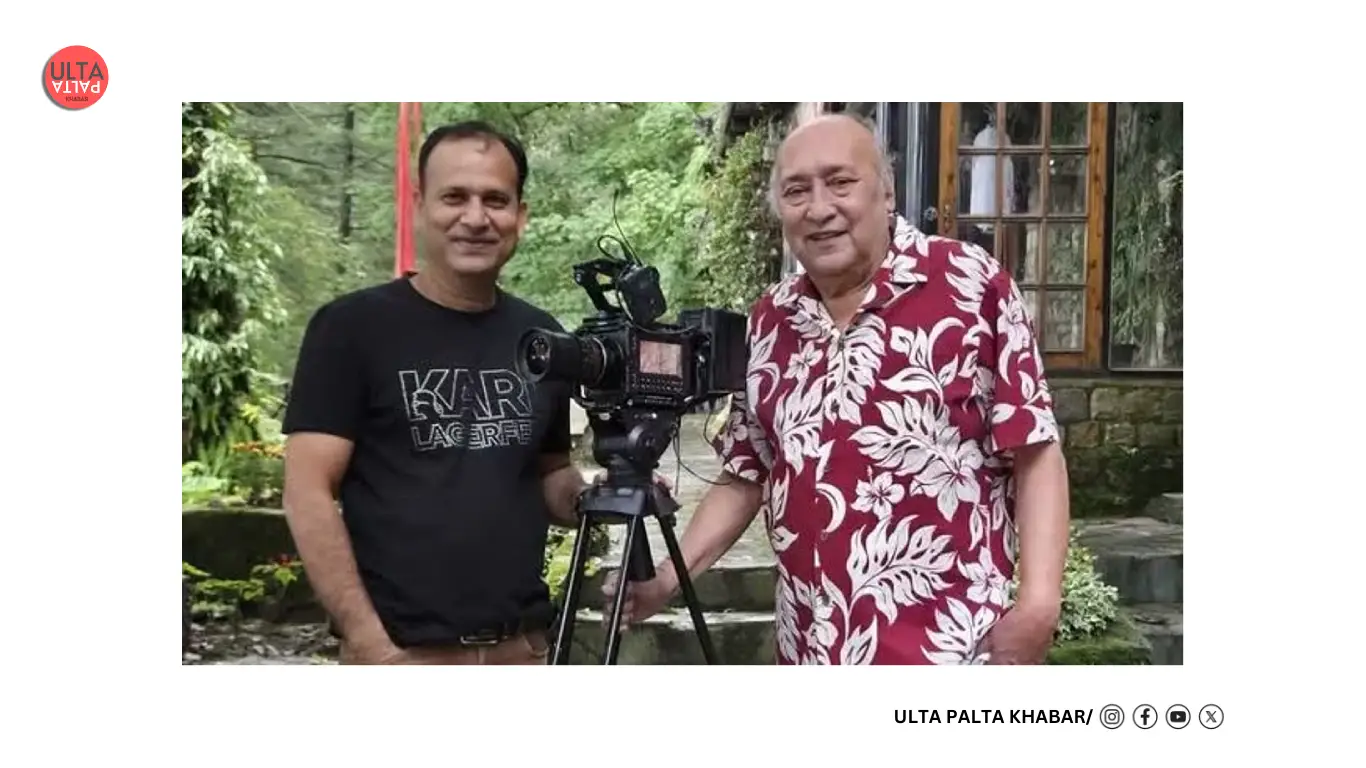
Titled Nirmanjali: The Chandigarh of Maciej Nowicki, the 36-minute documentary directed by Chandigarh-based filmmaker Suraj Kumar has been selected for its world premiere at the 57th International Film Festival of India (IFFI). The film will be showcased in the Best of Indian Panorama section, placing Chandigarh’s architectural heritage before an international audience.
The selection is particularly significant for Kumar, who has recently received recognition at the 72nd National Film Awards. His documentary arrives at a time when conversations around urban development, heritage conservation and the future of Indian cities are becoming increasingly important.
Note: For optimal viewing on mobile devices, rotate the screen.
The 57th IFFI will take place in Goa from November 20 to 28, 2026. For Nirmanjali, the festival offers an opportunity to introduce audiences from across India and abroad to the ideas behind a city that has become one of the country’s most recognisable examples of modern urban planning.
What Is ‘Nirmanjali: The Chandigarh of Maciej Nowicki’ About?
The documentary revisits the early planning vision associated with Polish architect Maciej Nowicki and the distinctive leaf-shaped concept developed during Chandigarh’s formative years.
Rather than presenting the city merely through its famous buildings and architectural landmarks, the film explores the philosophy behind its original planning. It examines how the proposed design responded to the surrounding geography and sought to create an environment in which people, nature and everyday life could exist in harmony.
Nowicki worked with American planner Albert Mayer on the early plans for Chandigarh. Their approach envisioned a city organised around neighbourhood units, green spaces and curving roads that responded to the landscape. Nowicki’s ideas included a more human-scale understanding of urban life, with housing, markets and community spaces connected through thoughtful planning.
However, the project underwent a major transformation after Nowicki died in an air crash in 1950. The responsibility for developing Chandigarh subsequently passed to a team led by Swiss-French architect Le Corbusier, with Pierre Jeanneret, Maxwell Fry and Jane Drew also playing important roles.
The city that eventually emerged was therefore not a straightforward execution of the original proposal. Yet the early ideas continued to influence aspects of its development.
This gap between the city that was imagined and the city that was ultimately built forms the central curiosity of Nirmanjali.
Sectors 7 and 8: Tracing Nowicki’s Influence in Modern Chandigarh
One of the documentary’s most interesting areas of exploration is the connection between Nowicki’s planning ideas and present-day Chandigarh, particularly the development of Sectors 7 and 8.
The film examines how elements of the early neighbourhood-planning philosophy found expression in the city’s residential sectors. It also explores the influence of Nowicki’s ideas on Pierre Jeanneret and the broader architectural thinking that shaped Chandigarh.
The documentary goes beyond residential planning to examine several important parts of the city, including housing areas, markets, the industrial zone, railway station, educational precincts, parks and gardens.
It also looks at the locations envisioned for major civic landmarks, including the High Court, Secretariat, Assembly Hall and Sukhna Lake. By drawing connections between early proposals and the present-day urban landscape, the film attempts to make architectural history accessible to viewers who may know Chandigarh’s landmarks but not the stories behind their planning.
That approach could make the documentary particularly engaging for Chandigarh residents. Familiar streets, neighbourhoods and public spaces become part of a larger historical story, encouraging viewers to look at their everyday surroundings differently.
Victor Banerjee and Architecture Experts Feature in the Documentary
Adding another layer of interest is the documentary’s collection of voices from cinema and architecture.
The film features actor Victor Banerjee, Chandigarh College of Architecture Principal Professor Sangeeta Bagga and architect S.D. Sharma, among others.
Their participation brings together different perspectives on the city’s history, design and cultural significance. While architectural experts can help explain the planning principles and their practical implications, Banerjee’s presence adds a wider cultural dimension to the project.
For a documentary dealing with urban planning, this combination is important. The story is not only about drawings, buildings and master plans; it is also about the people who live in the city and experience its public spaces.
At just 36 minutes, Nirmanjali has a compact runtime, but its subject covers several decades of architectural thought and urban development. The challenge will be to present that history in a way that is informative without becoming overly technical.
Who Was Maciej Nowicki, and Why Does His Chandigarh Vision Matter?
Maciej Nowicki was a Polish architect whose contribution to Chandigarh’s early planning remains an important part of the city’s architectural history.
His collaboration with Albert Mayer produced an alternative vision for the proposed capital, one that placed considerable emphasis on neighbourhood life, landscape and the relationship between buildings and their surroundings.
The early plan was not ultimately implemented in its original form. Nowicki’s untimely death in 1950 brought his direct involvement in the project to an abrupt end. Nevertheless, his work remains relevant to discussions about how Chandigarh developed and the different architectural philosophies that influenced it.
The documentary’s focus is especially timely because Chandigarh is often discussed through the legacy of Le Corbusier. His influence on the city’s final master plan and its celebrated Capitol Complex is widely recognised. But the story of the earlier planning efforts involving Mayer and Nowicki deserves attention too.
Nirmanjali seeks to widen that conversation. It does not simply revisit a historical design; it asks viewers to consider the ideas that existed before the city took its familiar shape.
Suraj Kumar’s National Film Award Recognition Adds to the Buzz
The IFFI selection is another important milestone for Suraj Kumar, whose work has received recognition at the 72nd National Film Awards.
There is, however, an important distinction in the award category. Kumar was recognised for Piplantri: A Tale of Eco Feminism in the category of Best Non-Feature Film Promoting Social and Environmental Values. The overall Best Non-Feature Film award went to Bhangaar.
The recognition adds weight to Kumar’s growing profile as a documentary filmmaker interested in subjects with wider social, cultural and environmental relevance.
His latest film continues that approach by exploring the relationship between urban planning, public spaces and the people who inhabit a city. The selection for IFFI could help introduce his work to a larger audience and create further opportunities for documentary filmmaking.
For filmmakers working outside mainstream commercial cinema, a world premiere at a major national festival can be an important step. It brings visibility, opens doors to conversations with industry professionals and may help a film find opportunities at other festivals and cultural platforms.
Why This Documentary Matters for Chandigarh’s Future
The importance of Nirmanjali extends beyond its festival selection. Chandigarh’s planning history offers lessons that remain relevant as Indian cities grapple with congestion, changing neighbourhoods, environmental pressures and the need for accessible public spaces.
The early Mayer-Nowicki vision placed emphasis on the relationship between residential areas, markets, greenery and community life. Revisiting these ideas could encourage a fresh conversation about how cities should grow and how much importance planning should give to everyday human needs.
The documentary may also strengthen interest in Chandigarh’s architectural heritage, particularly among younger audiences who experience the city daily but may be unfamiliar with its early planning history.
Its festival journey could potentially lead to screenings at architecture schools, universities, cultural institutions and other film festivals. Such opportunities would allow the documentary to reach audiences beyond conventional cinema circles.
IFFI 2026 World Premiere: A New Spotlight on Chandigarh
The 57th International Film Festival of India will run from November 20 to 28 in Goa, bringing together Indian and international filmmakers, industry professionals and cinema enthusiasts.
For Suraj Kumar, the world premiere of Nirmanjali: The Chandigarh of Maciej Nowicki is an opportunity to take a story rooted in one Indian city’s history to a wider platform.
The documentary’s biggest achievement may be its ability to make audiences reconsider something they think they already know. Chandigarh is not just a city of sectors, gardens and modernist landmarks. It is also the result of competing ideas, unfinished visions and architectural collaborations that shaped its identity.
With Victor Banerjee, leading architecture voices and a subject that connects history with contemporary urban life, Nirmanjali has the potential to become an engaging cinematic record of Chandigarh’s lesser-known beginnings.
And perhaps its most fascinating question is this: if Maciej Nowicki’s original vision had been realised, would Chandigarh look anything like the city we know today?
Note: For optimal viewing on mobile devices, rotate the screen.
You May Like:
- ultapaltakhabar.com/anime-hits-4-45-trillion-yen-japans-cartoon-empire-is-now-a-rs-2-67-lakh-crore-monster-and-the-world-cant-stop-watching/
- https://ultapaltakhabar.com/trai-wants-a-licence-for-your-free-streaming-tv-what-the-new-rules-mean-for-fast-apps-smart-tvs-and-your-remote/
- ultapaltakhabar.com/netflixs-big-korea-bet-pays-off-squid-game-song-hye-kyo-and-gong-yoo-lead-k-content-push-amid-layoffs-and-leadership-shake-up/
- ultapaltakhabar.com/hollywoods-biggest-agencies-join-forces-against-netflix-disney-and-prime-video-american-entertainment-alliance-demands-50-budget-for-indie-productions/


 By