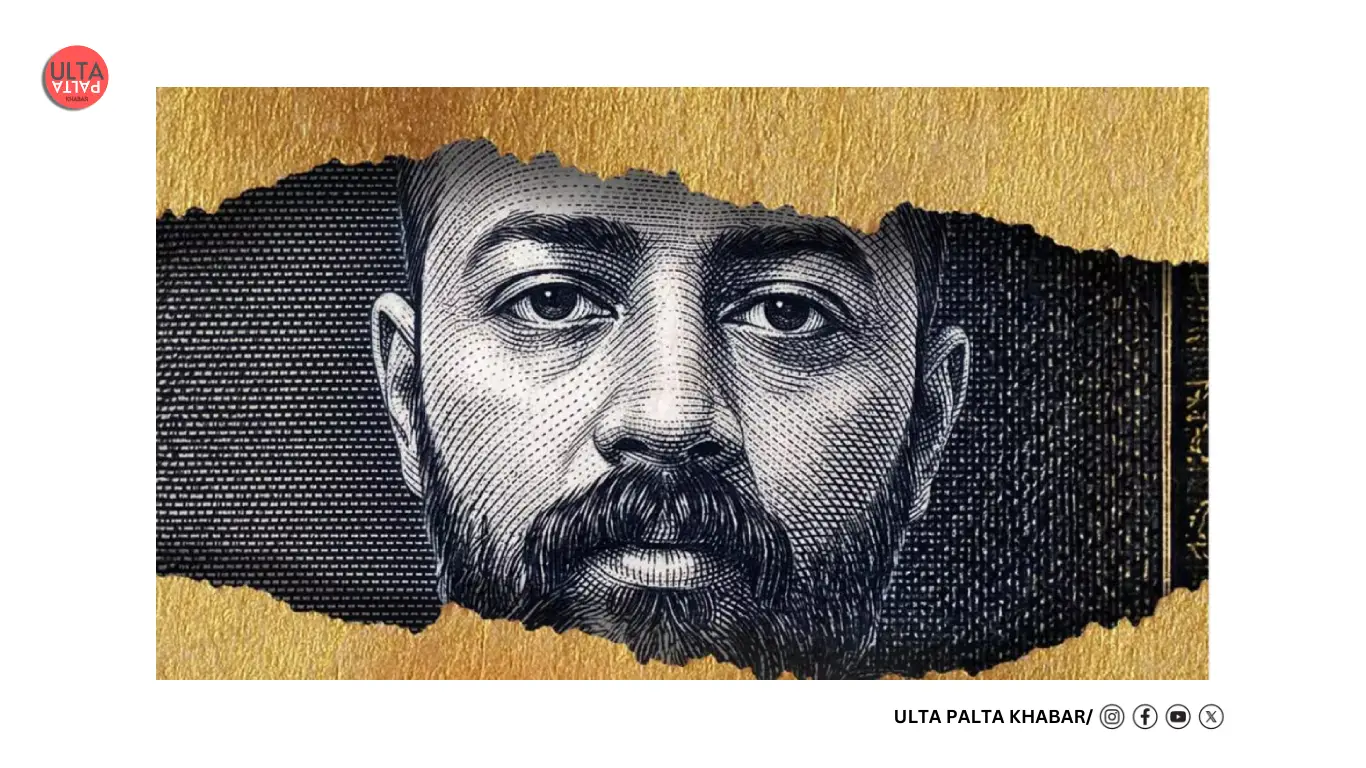

Netflix’s upcoming true-crime documentary Love, Scam Aur Dhokha: The Sukesh Chandrashekhar Story has landed in a regulatory spotlight after the Information and Broadcasting Ministry sought the streaming platform’s response to objections raised on behalf of the jailed accused. The December 18 premiere is not on hold yet, but the controversy has added a fresh twist to the much-talked-about project.
Netflix’s upcoming true-crime documentary on Sukesh Chandrashekhar has found itself in a fresh controversy even before its premiere. The Union Ministry of Information and Broadcasting has sought a response from the streaming giant within seven days over objections raised on behalf of Chandrashekhar regarding the release of Love, Scam Aur Dhokha: The Sukesh Chandrashekhar Story, which is scheduled to premiere on December 18, 2026.
Note: For optimal viewing on mobile devices, rotate the screen.
The ministry’s communication, dated November 27, comes after a formal representation was submitted by advocate Anant Malik on behalf of Chandrashekhar, who is currently lodged in Delhi’s Mandoli Jail. The complaint reportedly raises concerns about the documentary being released while criminal proceedings connected to the cases it examines remain pending before courts.
However, the ministry has not ordered Netflix to remove, cancel or postpone the documentary. The streaming platform has been asked to examine the representation and submit its comments within the stipulated seven-day period.
Note: For optimal viewing on mobile devices, rotate the screen.
The development puts Netflix in the middle of a sensitive regulatory and legal debate, with the documentary’s scheduled release now attracting attention beyond the true-crime entertainment space.
I&B Ministry Steps In, Netflix Asked to Respond
According to the ministry’s communication, Netflix has been asked to examine the issues raised in the complaint under the Information Technology (Intermediary Guidelines and Digital Media Ethics Code) Rules, 2021, and other applicable laws.
The letter reportedly refers to the Code of Ethics applicable to digital media publishers and OTT platforms, including the three-tier grievance redressal mechanism. The framework is designed to provide avenues for complaints concerning digital content, with responsibilities extending to the platform-level grievance mechanism, industry-level oversight and government-level oversight.
The ministry has also emphasised that OTT platforms must not transmit content prohibited by law and should exercise due caution and discretion while making content available to viewers.
The communication, signed by Deputy Director (Digital Media) Kshitij Agarwal, is understood to have been issued with the approval of the competent authority.
This is a request for Netflix’s response to a representation, not a final regulatory finding against the documentary.
That distinction matters considerably. A government communication seeking comments does not automatically mean a documentary has been found unlawful, nor does it necessarily trigger a suspension of its streaming release.
Why Sukesh Chandrashekhar Has Objected to the Documentary
The complaint has been filed on behalf of Chandrashekhar, whose name has repeatedly surfaced in high-profile financial fraud and extortion investigations.
His objection centres on the timing and portrayal of events in the documentary, particularly because criminal proceedings relating to some of the matters explored in the film remain underway.
The broader concern raised by the representation is whether a documentary examining allegations that are still being adjudicated could influence public perceptions before the judicial process has fully examined the evidence.
The controversy also follows legal objections reportedly raised by Chandrashekhar’s counsel against the documentary and its makers. Those objections reportedly sought postponement of the release and raised questions about whether his version of events had been adequately sought or represented.
Such arguments are increasingly relevant in the age of streaming platforms, where true-crime documentaries can reach millions of viewers within hours of release and potentially turn complicated legal cases into widely discussed public narratives.
The legal debate is not simply about whether a person accused of wrongdoing should be featured in a documentary. It also involves questions surrounding the accuracy of storytelling, the presentation of evidence, the distinction between allegations and established facts, and the possible consequences of public commentary on ongoing proceedings.
What Is Netflix’s Documentary About Sukesh Chandrashekhar?
Love, Scam Aur Dhokha: The Sukesh Chandrashekhar Story is a true-crime documentary produced by India Today Originals and directed by Moumita Sen and Niyantha Shekar, with Chandni Ahlawat Dabas serving as executive producer.
Netflix announced the project on November 25, 2026, and scheduled its premiere for December 18.
The documentary reportedly draws on more than two years of research, tracing Chandrashekhar’s background, his alleged financial fraud network, the high-profile cases associated with him and the alleged ways in which he continued operating despite being incarcerated.
The project is also expected to examine alleged loopholes within the system and the circumstances that allowed the network described in the investigations to function.
The documentary’s subject has attracted considerable public attention over the years because of the alleged financial scale of the cases, the claims involving influential personalities and the wider questions surrounding prison security and enforcement mechanisms.
Netflix’s true-crime programming has increasingly explored complicated criminal investigations and personalities that have generated extensive public discussion. This documentary appears to follow that approach, focusing not only on the allegations against Chandrashekhar but also on the systems and circumstances surrounding the cases.
However, the regulatory scrutiny now means that the documentary’s treatment of sensitive material could become just as important as the subject itself.
Will Netflix’s December 18 Release Be Delayed?
As of November 28, 2026, there is no reported government order stopping the documentary from releasing on December 18.
The seven-day response window gives Netflix an opportunity to address the concerns raised in the representation. The platform’s response, and any subsequent regulatory action, could influence what happens next, but a postponement is not inevitable.
Netflix could respond to the ministry by explaining its editorial process, compliance review and approach to the concerns raised. Any further action would depend on the issues presented, the platform’s response and the applicable legal and regulatory framework.
The possibility of further legal proceedings also cannot be ruled out, particularly if Chandrashekhar or his representatives remain dissatisfied with the documentary’s portrayal or the platform’s response.
For viewers waiting for the documentary, the immediate position remains unchanged: the December 18 premiere is still the announced release date.
A Bigger Debate for OTT Platforms and True-Crime Documentaries
The controversy could have implications beyond one Netflix documentary. True-crime programming has become a major part of India’s OTT entertainment landscape, with filmmakers increasingly examining real criminal cases, investigations, alleged scams and personalities who have dominated headlines.
But the popularity of the genre also brings responsibilities.
When a documentary deals with an ongoing criminal matter, filmmakers must navigate the tension between storytelling, public interest, editorial independence and the rights of individuals involved in the proceedings.
The presumption of innocence, fair-trial concerns and the need to distinguish allegations from established facts remain important considerations. At the same time, documentaries examining alleged wrongdoing, institutional failures and public-interest issues can serve a legitimate journalistic and creative purpose.
The challenge is to ensure that compelling storytelling does not become a substitute for judicial findings, and that audiences are presented with sufficient context to understand what is alleged, what has been established and what remains contested.
Netflix’s response to the ministry could therefore become an important development in the ongoing discussion about how streaming platforms handle documentaries involving pending criminal cases.
For Love, Scam Aur Dhokha, the countdown to December 18 continues, but the documentary now has a regulatory controversy unfolding alongside its promotional journey. Whether the issue ends with Netflix’s response or escalates into further legal or regulatory proceedings remains to be seen.
The story of Sukesh Chandrashekhar is already attracting attention for the allegations, investigations and public figures associated with it. Now, the documentary’s release itself has become another headline-grabbing chapter.
Note: For optimal viewing on mobile devices, rotate the screen.
You May Like:
- ultapaltakhabar.com/anime-hits-4-45-trillion-yen-japans-cartoon-empire-is-now-a-rs-2-67-lakh-crore-monster-and-the-world-cant-stop-watching/
- https://ultapaltakhabar.com/trai-wants-a-licence-for-your-free-streaming-tv-what-the-new-rules-mean-for-fast-apps-smart-tvs-and-your-remote/
- ultapaltakhabar.com/netflixs-big-korea-bet-pays-off-squid-game-song-hye-kyo-and-gong-yoo-lead-k-content-push-amid-layoffs-and-leadership-shake-up/
- ultapaltakhabar.com/hollywoods-biggest-agencies-join-forces-against-netflix-disney-and-prime-video-american-entertainment-alliance-demands-50-budget-for-indie-productions/


 By


 By