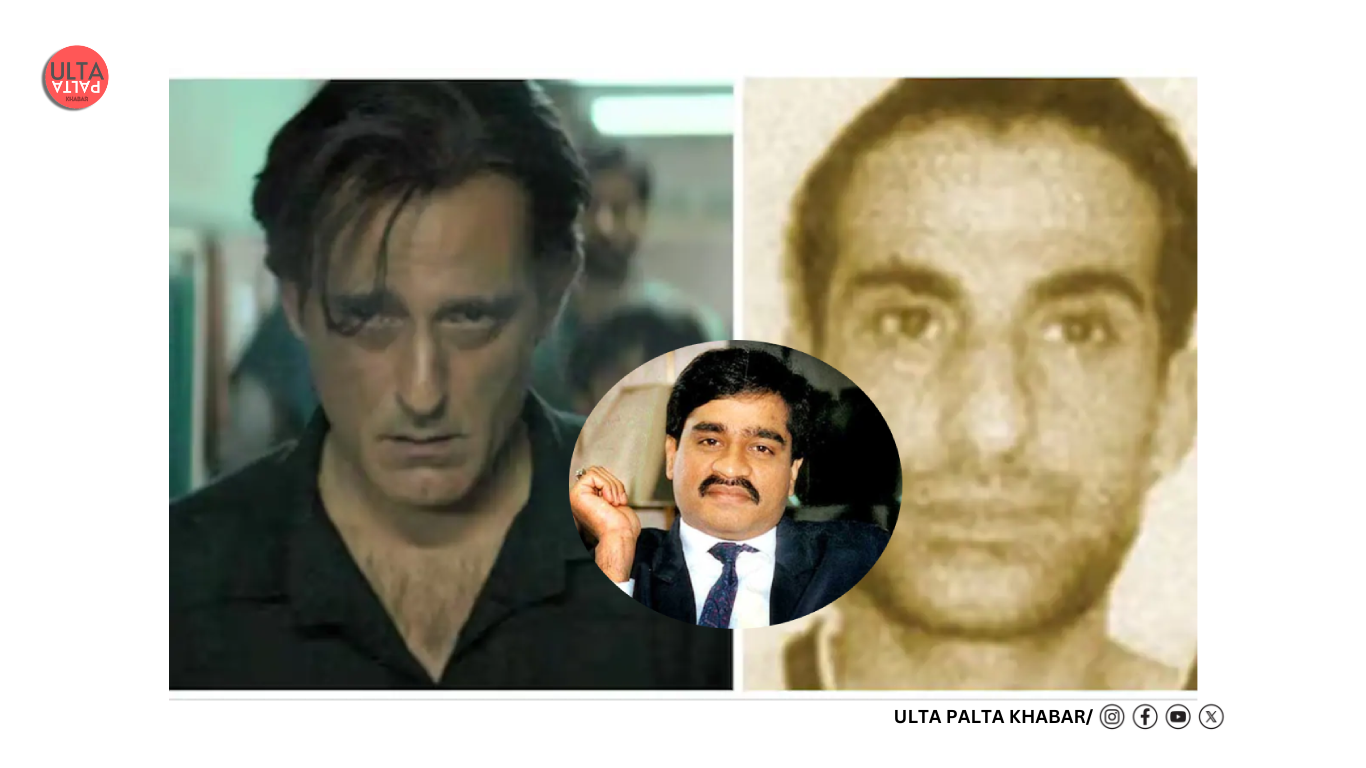

As Dhurandhar reignites interest in Karachi’s gang wars, chilling intelligence reports resurface alleging that Rehman Dakait abducted, tortured and executed Dawood Ibrahim’s brother—a crime that shook the underworld and still fuels debate today.
The explosive success of Aditya Dhar’s Dhurandhar has done more than just dominate the box office. It has dragged some of the darkest, bloodiest chapters of South Asia’s underworld back into public memory—chapters that many believed were buried forever under fear, silence and carefully crafted lies.
At the centre of this renewed storm is a haunting allegation: the brutal killing of Noor ul Haq, brother of fugitive don Dawood Ibrahim, allegedly at the hands of Pakistan-based gangster Rehman Dakait—the real-life figure believed to have inspired Akshaye Khanna’s chilling on-screen antagonist, Rehman Baloch.
As audiences applaud Khanna’s terrifying portrayal and debate the realism of Dhurandhar’s Karachi sequences, Indian intelligence narratives from the late 2000s have once again come into sharp focus. And what they describe is far darker than anything cinema can fully capture.
Note: For optimal viewing on mobile devices, rotate the screen.
A Murder That Shook the Underworld
According to intelligence assessments cited by Indian agencies over the years, Noor ul Haq, Dawood Ibrahim’s younger brother, was allegedly abducted by Rehman Dakait’s men, taken to Lyari, subjected to prolonged torture and then shot multiple times in the head.
The most chilling detail?
His body was reportedly dumped near Dawood Ibrahim’s residence in Karachi—a calculated move designed not just to kill, but to send a message.
At the time, Dawood’s family publicly claimed that Noor ul Haq had died due to cardiac arrest. However, Indian intelligence agencies strongly rejected this explanation, insisting that the killing bore the unmistakable signature of Lyari’s gang warfare and Rehman Dakait’s trademark brutality.
For many analysts, this incident marked one of the most audacious attacks ever directed at D-Company, crossing a line few gang leaders dared to approach.
Dhurandhar and the Return of Rehman Dakait’s Shadow
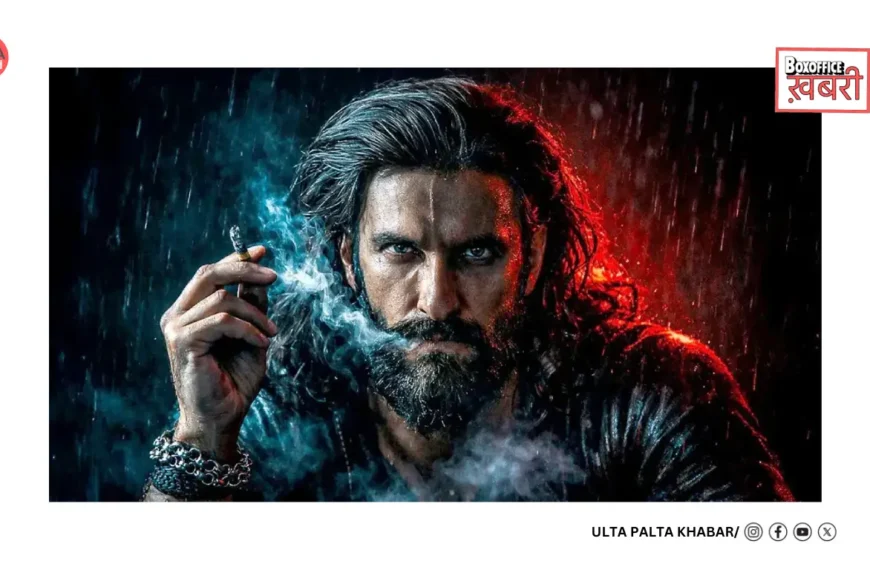
With Dhurandhar, starring Ranveer Singh and Akshaye Khanna, revisiting the violent underbelly of late-2000s Karachi, public curiosity around these long-suppressed stories has surged.
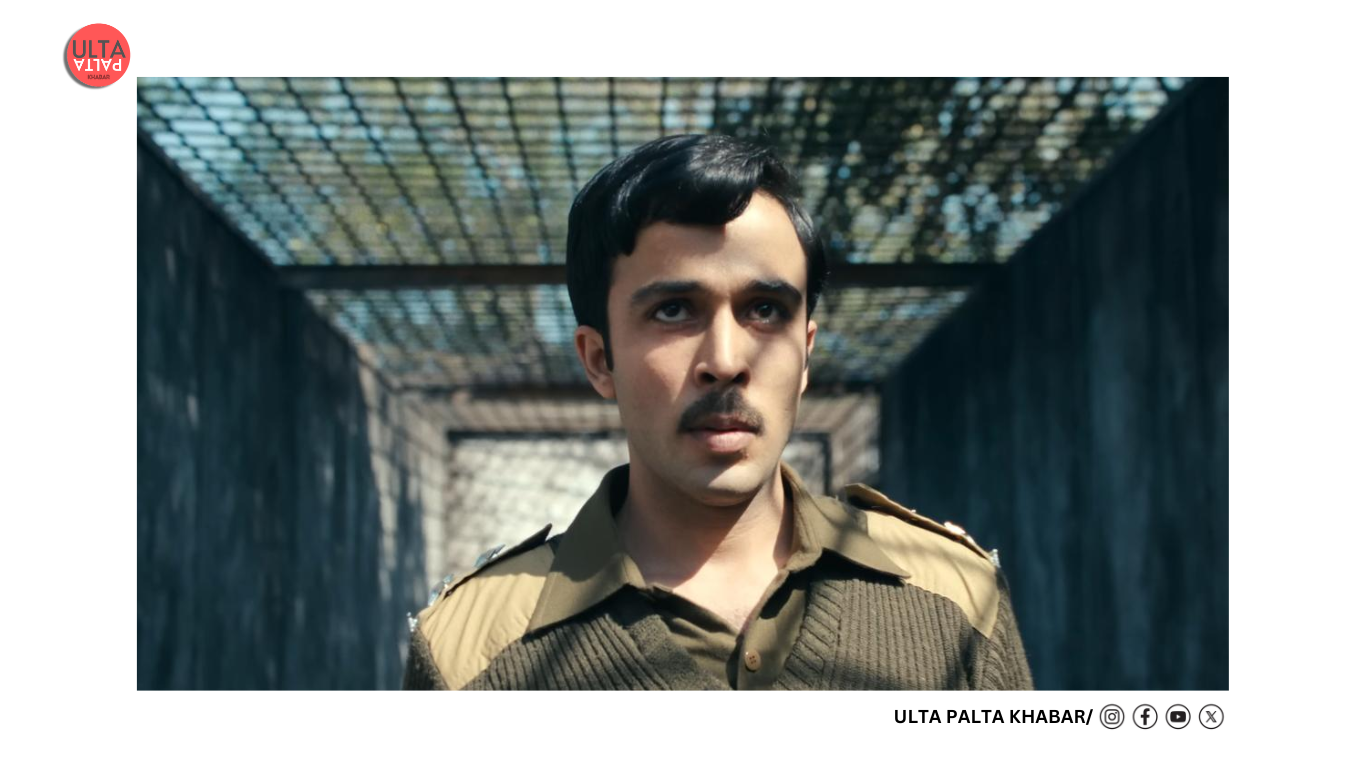
Akshaye Khanna’s character, Rehman Baloch, is widely perceived as a cinematic adaptation of Rehman Dakait, whose reign of terror once dominated Lyari. While the film takes creative liberties, the core traits—cold calculation, extreme violence, and fearless defiance of established crime syndicates—closely mirror real-world accounts of Dakait.
Viewers leaving theatres are not just shaken by the film’s intensity; they’re asking uncomfortable questions about what really happened behind Karachi’s closed doors.
Who Was Rehman Dakait?
Born Sardar Abdul Rehman Baloch in 1975, Rehman Dakait emerged from Lyari’s dense and volatile criminal ecosystem. He entered crime young, initially dabbling in street-level narcotics and petty violence before rapidly climbing the ranks.
By the early 2000s, he had taken control of the gang once led by Haji Laloo, transforming it into a ruthless criminal enterprise involved in:
- Extortion
- Contract killings
- Drug trafficking
- Political intimidation
His influence soon spilled beyond Lyari, putting him on a collision course with rival gangs, political players and powerful syndicates—including networks linked to Dawood Ibrahim.
Indian and Pakistani media reports from that era consistently described Dakait as exceptionally violent, even by Karachi underworld standards. His associates—Uzair Baloch and Baba Ladla—became infamous for methods designed to instil fear and assert dominance in contested neighbourhoods.
Targeting Dawood Ibrahim’s Family: A Line Crossed
The alleged killing of Noor ul Haq represented a dramatic escalation. Analysts believe it was not merely a personal vendetta, but a calculated move in a broader struggle for power within Karachi’s criminal hierarchy.
Attacking Dawood Ibrahim’s family was seen as an unprecedented act of defiance—a signal that Rehman Dakait was willing to challenge even the most untouchable names in the underworld.
For many intelligence experts, the message was clear: Lyari was no longer willing to bow to external control.
Note: For optimal viewing on mobile devices, rotate the screen.
The End of Rehman Dakait
Rehman Dakait’s violent rise came to an abrupt end in August 2009, when he was killed in a police encounter during an operation in Karachi. He was just 34 years old.
Following his death, his cousin Uzair Baloch took over parts of the network, but Lyari continued to spiral through cycles of gang violence, state crackdowns and political manipulation.
The legacy Dakait left behind, however, proved harder to erase.
Fiction, Fear and Forgotten Truths
While Dhurandhar fictionalises events and characters, it draws heavily from a period when Karachi’s streets were ruled by fear and bloodshed. The allegation surrounding Noor ul Haq’s murder remains one of the most disturbing chapters associated with Rehman Dakait’s name.
For Indian intelligence agencies, it stands as an example of how deeply entangled terrorism, organised crime and regional politics had become. For audiences today, it adds a chilling layer of realism to what might otherwise seem like cinematic exaggeration.
Why Dhurandhar Hits Harder Than Fiction
What makes Dhurandhar resonate so powerfully is not just its scale or performances—but the uncomfortable truth that much of its darkness is rooted in reality.
Akshaye Khanna’s restrained menace, Ranveer Singh’s intense portrayal of infiltration and betrayal, and Aditya Dhar’s unflinching gaze into the mechanics of terror reflect a world where power was measured in bodies, not box office numbers.
And as old intelligence reports resurface and forgotten names return to headlines, one thing becomes clear:
Some stories never stay buried. They wait.
As Dhurandhar continues its record-breaking run and sparks debates across social media, the question lingers—how many more untold truths lie behind the fiction we applaud?
At UltaPaltaKhabar.com, we’ll keep digging.
Note: For optimal viewing on mobile devices, rotate the screen.
You May Like:
- ultapaltakhabar.com/arjun-rampal-calls-26-11-sequence-in-dhurandhar-the-most-difficult-scene-of-my-life/
- ultapaltakhabar.com/kareena-kapoor-once-went-crazy-for-akshaye-khanna-old-clip-resurfaces-as-dhurandhar-star-goes-viral-again/
- ultapaltakhabar.com/prabhas-safe-after-massive-7-6-japan-earthquake-director-maruthi-confirms-fans-can-relax-darling-is-fine/
- https://ultapaltakhabar.com/ranbir-kapoor-doesnt-carry-even-1-of-his-legacy/

 By
By