
The court restrains police from coercive action over the ‘daiva’ remark controversy, but warns the actor on responsibility, influence and consequences — and the case could still reshape celebrity accountability in India.
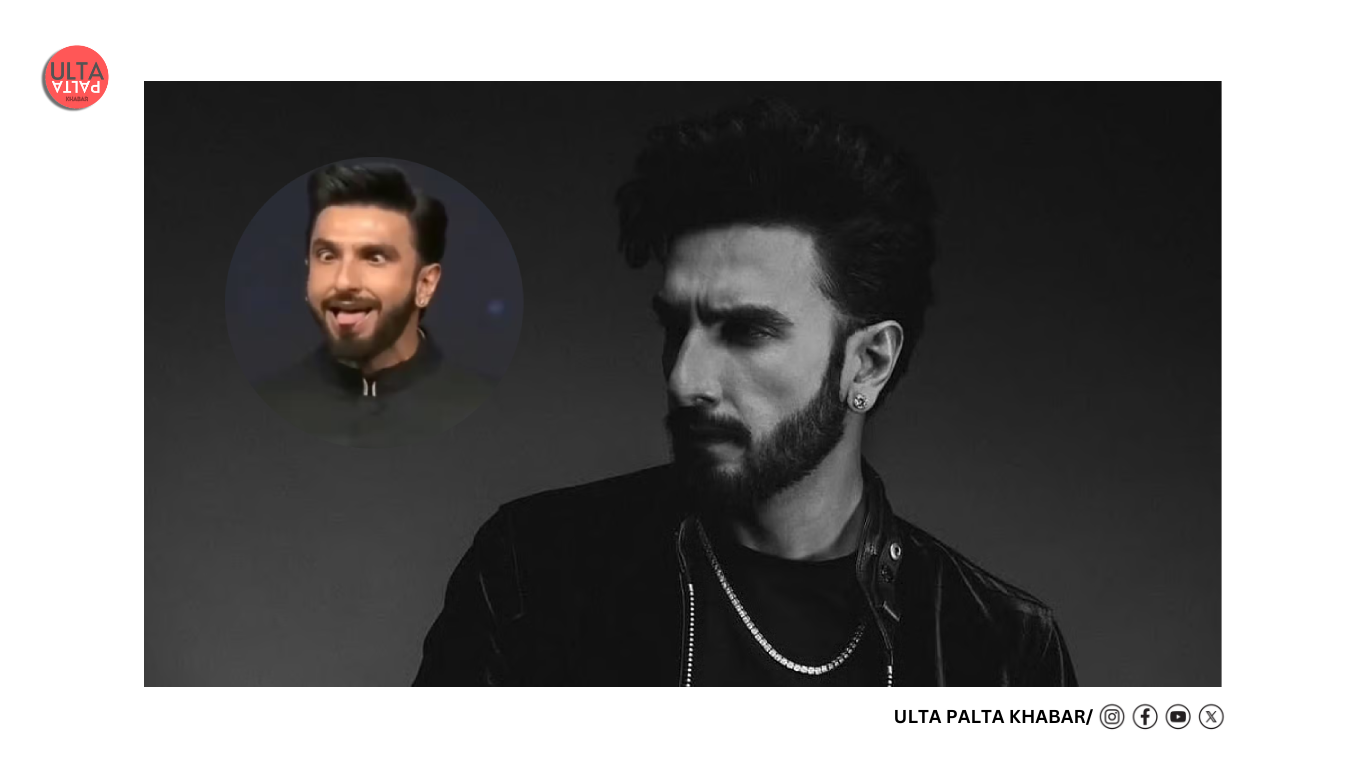
Bollywood superstar Ranveer Singh may have received temporary legal relief — but the controversy surrounding his remarks about a sacred coastal Karnataka tradition is far from over.
In a development that has sparked massive debate across the film industry and social media, the High Court of Karnataka has directed Bengaluru city police not to take any coercive action against the actor in connection with an FIR filed for allegedly hurting religious sentiments.
However, there’s a clear catch.
The court has also ordered Ranveer Singh to cooperate fully with the investigation, signalling that while immediate arrest or pressure is off the table, legal scrutiny will continue.
And insiders say this case could become one of the most important celebrity accountability battles in recent years.
Note: For optimal viewing on mobile devices, rotate the screen.
What Triggered the Controversy?
The controversy dates back to November 28, 2025, during the closing ceremony of the International Film Festival of Goa.
During his stage appearance, Ranveer mimicked the intense climax performance of Rishab Shetty from Kantara Chapter 1 — a film deeply rooted in the spiritual and cultural traditions of coastal Karnataka.
But what was meant as a tribute quickly spiralled into backlash.
While recreating the performance, Ranveer allegedly referred to the revered daiva Chavundi — a sacred spirit worshipped in local ritual traditions — as a “female ghost.”
The remark went viral within hours.
Religious groups, cultural organisations and social media users accused the actor of misrepresenting and disrespecting a sacred belief system. Legal complaints followed soon after.
Note: For optimal viewing on mobile devices, rotate the screen.
How the Case Reached the Court
A private complaint was filed by Bengaluru-based advocate Prashanth Methal, alleging that the remark hurt religious sentiments.
When local police did not immediately act, the complainant approached higher authorities and eventually a metropolitan magistrate — who ordered an investigation after preliminary review.
This led to the FIR against Ranveer Singh.
The actor then moved the High Court seeking relief from possible coercive police action.
And that’s where things took a dramatic turn.
What the Court Said — And Why It Matters
Justice M. Nagaprasanna granted interim protection — but not without sharp observations.
During the hearing, the court reportedly questioned the actor’s responsibility while speaking about culturally sensitive subjects.
The bench emphasised that public figures with mass influence must exercise caution, especially when discussing religious or spiritual traditions.
The court also made a powerful observation that has already gone viral in legal and media circles:
Apologies may be issued — but words spoken publicly never disappear.
That single remark reflects the growing legal sensitivity around celebrity speech in the digital era.
The message was clear — influence comes with accountability.
Ranveer Singh’s Defence
Senior Advocate Sajan Poovayya, representing the actor, argued that the remark was reckless but not intentional, and therefore should not attract criminal prosecution.
The defence emphasised that Ranveer had already apologised publicly and clarified that his intention was to appreciate the performance — not insult the tradition.
In fact, on December 1, 2025, the actor issued a public apology acknowledging the hurt caused and expressing regret.
But the court indicated that apology alone does not automatically erase legal consequences.
Why This Case Is Bigger Than One Actor
This controversy is no longer just about one statement at one event.
Legal experts say the case touches three major issues:
1. Celebrity Responsibility in Cultural Contexts
India’s cultural landscape is deeply layered and sensitive. When global celebrities reference regional traditions without full understanding, legal and social backlash can be immediate.
2. The Digital Permanence Problem
Courts are increasingly acknowledging that viral content creates long-term social impact — something traditional legal frameworks did not fully account for earlier.
3. Expanding Scope of Religious Sentiment Laws
This case may influence how future courts interpret intent versus impact when it comes to public statements about religion and culture.
Impact on Ranveer Singh’s Career
While there is no immediate professional fallout yet, industry observers say the case could affect:
- Brand endorsements sensitive to public image
- Regional audience perception, especially in Karnataka
- Future public appearances involving cultural themes
- Legal scrutiny of celebrity speech at public events
More importantly, the controversy reinforces a growing industry trend — image management is now as critical as performance.
The Cultural Weight of Kantara’s Legacy
Part of the controversy’s intensity stems from the cultural power of Kantara.
The film — and its expanding universe — is widely respected for its portrayal of indigenous ritual traditions, especially the sacred daiva worship system.
For many devotees and cultural custodians, the portrayal is not cinematic fantasy — it reflects living spiritual heritage.
That emotional connection explains why the backlash was immediate and intense.
What Happens Next?
The investigation will continue.
Ranveer Singh must cooperate with police questioning. Depending on findings, the case could proceed toward:
- Closure after investigation
- Formal charges
- Extended legal proceedings
Legal experts believe the court’s final decision could set a precedent for how public speech and cultural representation intersect in Indian law.
The Larger Message to Bollywood
For years, celebrities have freely blended humour, mimicry and performance references on public platforms.
This case signals that the legal environment is shifting.
Public speech — especially involving faith, tradition or identity — is now under sharper scrutiny than ever.
And the line between artistic expression and cultural sensitivity is becoming increasingly defined by courts, not just audiences.
The Bottom Line
Ranveer Singh may have avoided immediate police action — but the controversy is still unfolding.
The court has protected him for now.
But it has also sent a powerful message:
Fame amplifies words. Influence multiplies impact. And in today’s hyper-connected world — accountability is unavoidable.
This isn’t just a celebrity controversy.
It may become a defining legal moment for how India balances artistic freedom, cultural respect and public responsibility.
And everyone in the entertainment industry is watching closely.
Note: For optimal viewing on mobile devices, rotate the screen.
You May Like:
- ultapaltakhabar.com/kritika-kamra-gaurav-kapur-wedding-date-revealed-intimate-march-11-ceremony-grand-mumbai-celebration-to-follow/
- ultapaltakhabar.com/anurag-kashyaps-kennedy-turns-pandemic-paranoia-into-dark-cinema/
- ultapaltakhabar.com/karan-johar-goes-on-digital-detox-bollywoods-mastermind-logs-off-instagram-after-backing-dhurandhar-border-2-and-defending-varun-dhawan/
- ultapaltakhabar.com/vijays-jana-nayagan-caught-in-censor-storm-again-as-madras-high-court-sets-aside-u-a-16-order/

 By
By