
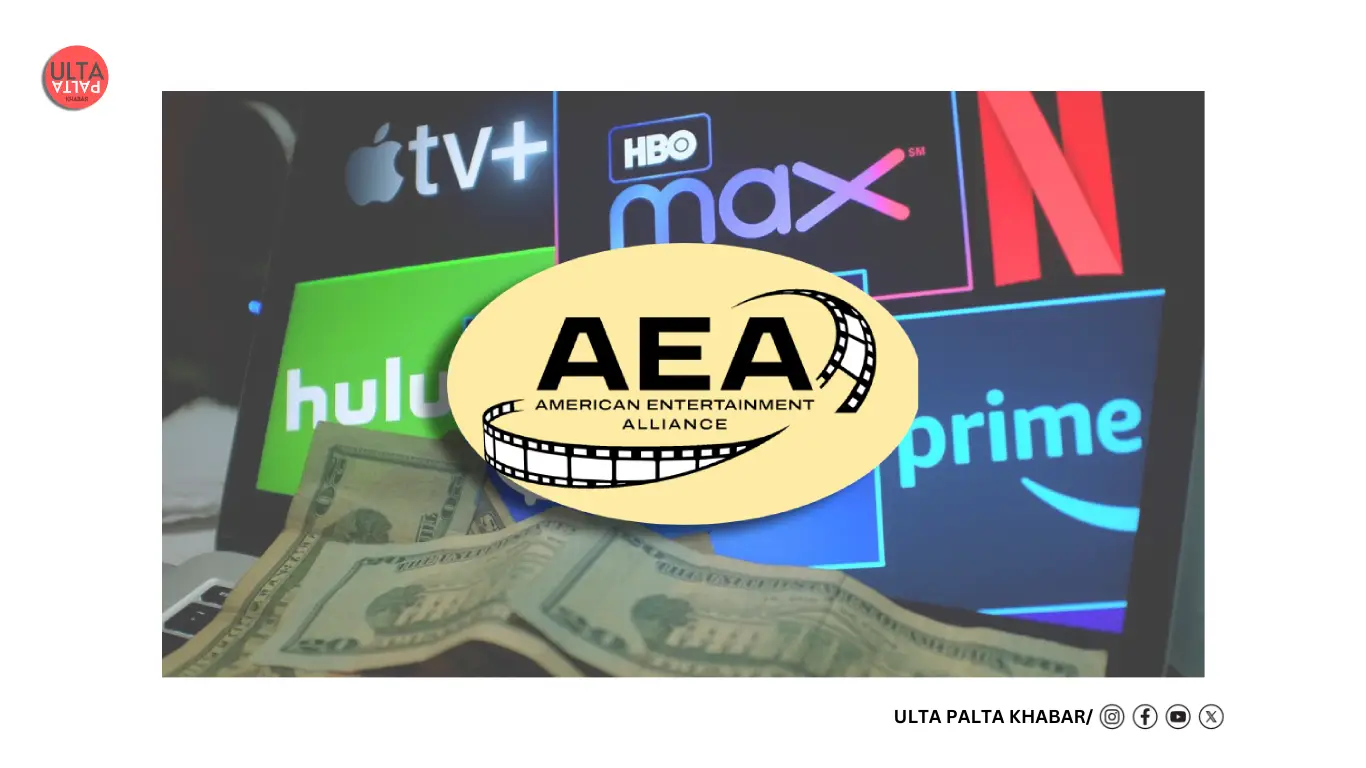

CAA, UTA and WME have joined leading producers in a new coalition seeking tougher rules for streaming giants, better rights for independent creators and greater transparency in content recommendations.
Hollywood’s biggest power players are joining forces for a battle that could change the future of movies and television. Creative Artists Agency (CAA), United Talent Agency (UTA) and William Morris Endeavor (WME)—three of the entertainment industry’s most influential talent agencies—have become founding members of the newly announced American Entertainment Alliance (AEA). Their mission? Push for legislation that would require major streaming platforms, including Netflix, Amazon Prime Video, HBO Max and Disney+, to allocate at least 50% of their content budgets to independent productions.
Note: For optimal viewing on mobile devices, rotate the screen.
The proposal is bold, controversial and potentially game-changing. If it gains political support and becomes law, streaming companies could face a fundamental rethink of how they finance films and television shows. For independent producers, writers, directors and actors, it could open doors that have increasingly seemed difficult to unlock. For the streaming giants, however, it could mean new restrictions on the freedom to choose which projects receive the green light.
Note: For optimal viewing on mobile devices, rotate the screen.
One thing is important to understand: the 50% requirement is a policy demand, not an existing law or a confirmed commitment by streaming platforms.
CAA, UTA and WME Unite in a Rare Hollywood Power Move
The formation of the American Entertainment Alliance marks an unusual moment of unity among major Hollywood agencies and independent production businesses. The coalition also includes Anonymous Content, Blumhouse, Imagine Entertainment, Legendary Entertainment, MRC, North Road, Propagate Content, Producers United, entertainment executive Jeff Sagansky and law firm Ziffren Brittenham.
UTA vice chairman and board member Jay Sures said the industry needed a regulatory framework that prioritises creators, protects entertainment workers and preserves competition as film and television businesses continue to consolidate.
The message is unmistakable: the coalition believes Hollywood’s current business structure is concentrating too much control in the hands of a relatively small number of companies.
The agencies represent major talent across the entertainment industry, while the production companies behind the alliance develop and finance projects. Their interests are not identical, but they share a concern that independent businesses are struggling to compete for financing, distribution and long-term ownership of their work.
The alliance wants to turn those concerns into a legislative campaign in the United States.
Why Does the Alliance Want Streamers to Spend 50% on Independent Productions?
The central proposal is straightforward: major streaming platforms should be legally required to spend at least half their content budgets on productions from independent American studios or producers.
At present, streaming services can develop projects through their own production divisions, partner with established studios or commission work from outside companies. The AEA argues that consolidation has narrowed the market for independent producers, making it harder for them to secure financing and retain meaningful control over their projects.
A mandatory spending allocation could change that equation.
Imagine an independent producer with a promising thriller, a fresh comedy or a limited series that does not fit the usual studio formula. Under the proposed system, a larger share of streaming investment would have to reach independent producers, potentially giving more projects a chance to compete.
That could mean more opportunities for emerging filmmakers, screenwriters, production crews and actors. It could also encourage projects that do not rely on established franchises, familiar stars or proven intellectual property.
However, a spending quota would not automatically guarantee that every independent project gets financed. The exact definition of an eligible independent production, the calculation of content budgets and the rules for enforcement would all matter enormously. Those details could determine whether the proposal genuinely broadens opportunities or simply changes how streaming companies structure their deals.
Paramount-Warner Bros. Discovery Merger Adds Fuel to the Debate
The alliance’s launch comes amid another major shake-up in Hollywood: the reported completion of Paramount’s $111 billion takeover of Warner Bros. Discovery.
The consolidation of two major entertainment businesses has intensified concerns about how much influence a handful of large companies could wield over film production, television development and distribution.
For independent producers, the concern is not simply about the number of companies in the market. It is also about bargaining power. When fewer buyers control access to major audiences, producers may have fewer places to pitch projects and less leverage when negotiating fees, rights and future revenue.
The AEA argues that independent production is essential to maintaining a competitive entertainment ecosystem. Its position is that a stronger independent sector would give creators more routes to market and prevent production opportunities from becoming overly concentrated.
The opposing argument is that large companies need the freedom to invest according to audience demand, creative judgement and commercial risk. That disagreement is likely to sit at the centre of the debate.
The Battle Is Also About Who Owns the Shows
The 50% spending proposal is only one part of the alliance’s agenda. The AEA also wants licensing and syndication rights for films and television programmes to return to the production company—or an outside studio behind the project—after a period of years.
This could prove just as consequential as the proposed spending quota.
When a production company creates a successful series, the value of that project may continue long after its original release. Licensing it to other platforms, distributing it internationally or making it available through additional channels can create future revenue.
If the original producer has little control over those rights, much of that long-term value may remain with the commissioning platform or studio.
The AEA’s proposal seeks to give independent producers a clearer path to recovering rights and benefiting from the continued commercial life of their work. But the practical details would be critical: the duration of the initial rights period, exceptions for different types of productions and the treatment of financing arrangements could all become points of negotiation.
For streaming platforms, such rules could make some deals more complicated and potentially change how they value original programming. For independent producers, they could create opportunities to build lasting businesses around successful intellectual property.
Streaming Algorithms Also Under Scrutiny
The alliance is taking aim at another powerful feature of the streaming business: the recommendation systems that influence what viewers discover.
The AEA wants greater transparency in the algorithms used to recommend content and measures to prevent platforms from favouring their own productions over competing independent titles.
The issue matters because simply getting a project commissioned does not guarantee that audiences will find it. A film or series can sit inside a vast catalogue while better-positioned titles dominate the home screen.
More transparency could help independent producers understand how content is surfaced and whether platform-owned productions receive preferential treatment. It could also intensify questions about how recommendation systems should be audited without revealing commercially sensitive technology or compromising user privacy.
For viewers, the consequences are less straightforward. Greater visibility for independent productions could mean discovering stories outside the mainstream. But changes to recommendation rules would not necessarily make every viewing experience better, and the precise regulatory approach remains unsettled.
Streaming Companies Push Back: Will Regulation Hurt Creativity?
The Streaming Innovation Alliance, whose members include Netflix, Disney, Peacock, Warner Bros. Discovery, Paramount and TelevisaUnivision, has criticised the proposal for what it describes as blunt government mandates in the greenlighting process.
The group argues that streaming has expanded access to films and television shows, given viewers more choice and created new routes for diverse stories to reach audiences. It also contends that rigid spending requirements could discourage creative risk-taking and reduce production.
That objection raises a serious question: should governments dictate how private entertainment companies allocate their content budgets?
Supporters of the AEA believe regulation may be necessary to address the imbalance created by consolidation. Streaming representatives counter that forcing companies to spend a fixed percentage on a particular category of production could distort investment decisions.
Both sides face a challenge. The AEA must demonstrate that its proposals would expand genuine competition rather than merely redistribute spending. Streaming companies, meanwhile, must address concerns about market concentration, bargaining power and the long-term sustainability of independent production.
The outcome could depend on whether lawmakers see the proposed quota as a practical competition measure or an overly prescriptive intervention.
Hollywood’s Fin-Syn History Returns to the Spotlight
The American Entertainment Alliance is also drawing attention to the United States Federal Communications Commission’s former Financial Interest and Syndication Rules, commonly known as Fin-Syn.
Introduced in 1970, these rules restricted major television networks such as ABC, CBS and NBC from owning certain programmes they broadcast or controlling their syndication. The framework helped preserve space for independent producers to create programmes and retain syndication rights. The FCC ended the rules in 1993.
The AEA argues that the repeal helped pave the way for greater consolidation. Its current proposals reflect a broader effort to revisit how ownership, distribution and production are balanced in a changing media landscape.
However, today’s streaming market is not identical to the broadcast television system of the 1970s. Subscription services, advertising-supported platforms, global distribution and digital recommendation systems have created a different business environment. Any new rules would need to account for those differences.
The alliance’s ambitions also arrive as Hollywood studios and unions increasingly support a proposed federal production incentive, including a 20% credit for qualifying US labour costs and an additional incentive for independent films. That separate initiative reflects a wider industry push to strengthen domestic production and protect jobs.
What Happens Next? Hollywood’s Streaming War Could Enter a New Phase
The American Entertainment Alliance has made its position clear, but the road from an industry campaign to federal legislation is long. Lawmakers would need to examine the proposals, define the categories of qualifying productions and consider their economic and legal consequences. The coalition would also need to build political support and respond to arguments from streaming companies and other industry stakeholders.
If a spending requirement eventually becomes law, independent producers could gain access to a larger pool of commissioning opportunities. More projects might reach development, potentially supporting employment across writing, acting, directing, production design, editing and post-production.
Yet there could also be unintended consequences. Platforms might adjust their budgets, renegotiate contracts, change the number of projects they commission or become more selective in other areas. A quota alone would not guarantee higher wages, better contracts or creative freedom. Those outcomes would depend on the legislation’s design and the commercial decisions that followed.
For audiences, the ultimate test would be whether the changes deliver a wider range of compelling films and shows without reducing choice or raising costs.
For now, Hollywood has entered a fresh battle over who gets to make its stories, who owns them and who decides which ones the world gets to watch. With CAA, UTA and WME standing alongside influential producers, the American Entertainment Alliance has assembled a formidable group of industry players.
The question is whether that collective influence can persuade Washington to rewrite the rules of streaming—or whether Netflix, Disney and their rivals will successfully defend the freedom to decide what gets made.
One thing is certain: the next big Hollywood showdown may not be happening on a film set. It may be unfolding in the halls of Congress.
Note: For optimal viewing on mobile devices, rotate the screen.
You May Like:
- ultapaltakhabar.com/hanuman-ansh-misses-oscar-deadline-inr-2-crore-film-crosses-inr-205-crore-as-makers-reveal-why-indias-official-entry-dream-was-lost/
- ultapaltakhabar.com/tamil-cinema-faces-september-shutdown-no-new-tamil-film-releases-from-september-1-as-producers-clash-with-theatre-owners-over-8-week-ott-rule/
- https://ultapaltakhabar.com/cinemark-backs-111-billion-paramount-warner-bros-merger-as-all-major-u-s-theater-chains-line-up-behind-david-ellison/
- ultapaltakhabar.com/oscars-2027-budget-youtube-move-and-ai-debate-academy-reveals-its-big-plans-for-hollywoods-future/




 By
By