
The veteran lyricist breaks silence on a shocking AI-generated video that falsely claims he “turned to God,” reigniting the debate on deepfakes, celebrity safety, and digital misinformation in India.
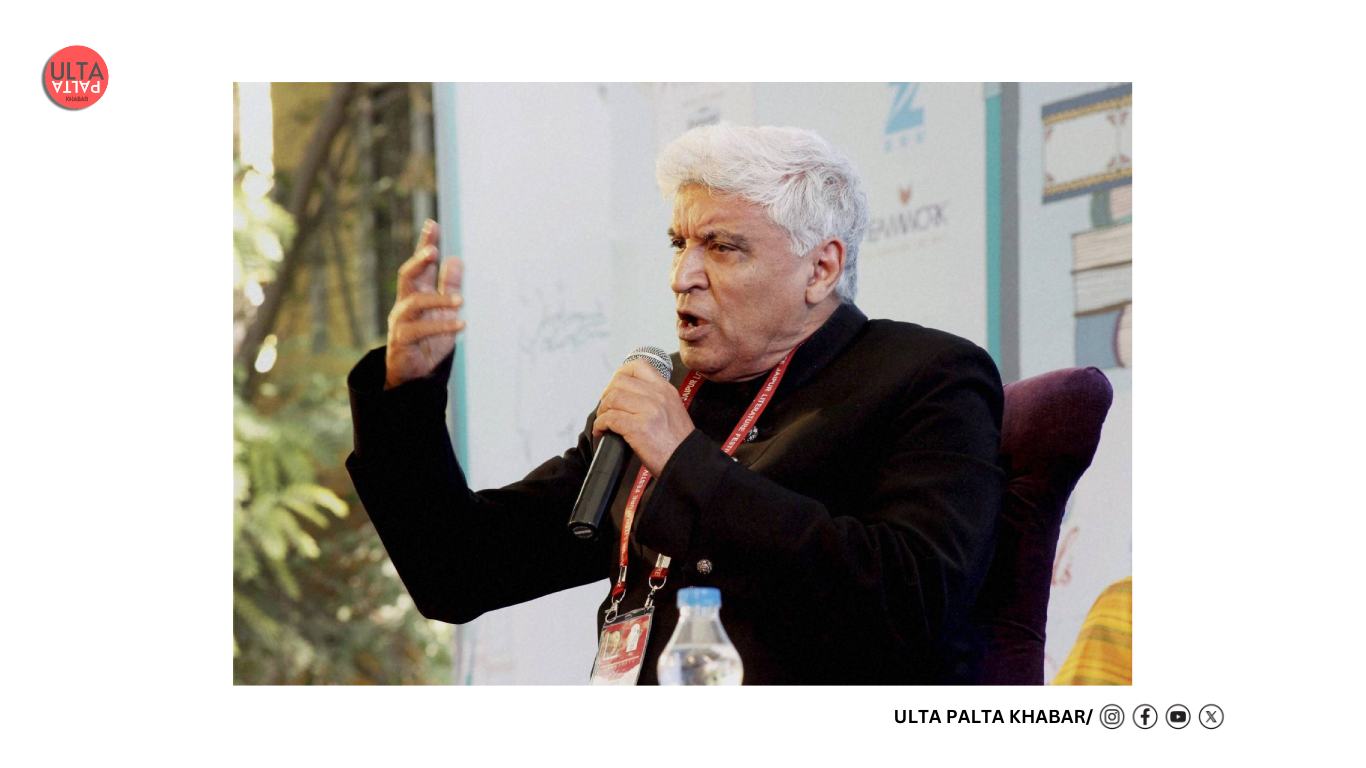
Veteran writer-lyricist Javed Akhtar has found himself at the center of yet another disturbing digital controversy—this time involving artificial intelligence. On Friday, December 2, 2026, the celebrated poet and screenwriter took to social media to firmly shut down a viral video that falsely portrays him claiming he has “turned to God.” According to Akhtar, the clip is entirely fake, AI-generated, and deeply damaging to his reputation.
In an era where misinformation travels faster than truth, Akhtar’s strong-worded reaction has triggered fresh conversations around deepfake technology, celebrity consent, and the alarming misuse of AI in India’s digital ecosystem.
Note: For optimal viewing on mobile devices, rotate the screen.
“It Is Rubbish”: Javed Akhtar Breaks His Silence
Posting on his official X (formerly Twitter) handle, Javed Akhtar minced no words while addressing the viral clip that shows a computer-generated image of him wearing a topi, accompanied by claims that he has embraced religion.
“A fake video is in circulation showing my fake computer-generated picture with a topi on my head, claiming that ultimately I have turned to God. It is rubbish,” Akhtar wrote, making it clear that the video has no basis in reality.
The lyricist further expressed his deep concern over how such fabricated content can destroy credibility built over decades.
“I am seriously considering reporting this to the cyber police and ultimately dragging the person responsible for this fake news—and those few who forward it—to the court for damaging my reputation and credibility,” he added.
A Strong Warning, Not Just a Clarification
This isn’t just a casual clarification post. Industry insiders see Akhtar’s statement as a clear warning shot—both to the creators of such content and to those who blindly forward it.
In today’s hyper-connected social media culture, forwarding fake videos without verification is increasingly becoming a legal and ethical grey zone. Akhtar’s threat of legal action underscores that even sharing misinformation can have serious consequences.
Note: For optimal viewing on mobile devices, rotate the screen.
Why This Fake Video Hit a Nerve
Javed Akhtar is no stranger to controversy, especially due to his outspoken views on religion, rationalism, free speech, and politics. That is precisely why the fake video struck such a sensitive chord.
By falsely portraying him as someone who has “turned to God,” the AI-generated clip attempts to rewrite his public identity, something Akhtar has carefully shaped over decades through his writing, interviews, and poetry.
For many of his supporters, the video felt like a deliberate attempt to mock, misrepresent, or ideologically corner the veteran intellectual.
The Growing Menace of AI Deepfakes in Bollywood
Sadly, this incident is far from isolated. The Indian entertainment industry has recently witnessed a surge in AI-generated morphed videos and images of celebrities, many of which have gone viral before being debunked.
Over the past few years, manipulated or AI-created content involving stars like Rashmika Mandanna, Kangana Ranaut, Katrina Kaif, and Akshay Kumar has surfaced online, often sparking outrage and concern.
In most cases, these clips are created purely for virality—likes, shares, and fleeting internet fame—without any regard for the emotional, professional, or reputational damage caused to the individuals involved.
Why Celebrities Are Easy Targets
Celebrities, especially those with strong public opinions, are increasingly becoming soft targets for AI misuse. Their faces, voices, and mannerisms are widely available online, making it easier for malicious actors to generate convincing fake content.
What makes AI deepfakes particularly dangerous is how real they look. To an average viewer scrolling through social media, it’s becoming harder than ever to differentiate between what’s real and what’s fabricated.
And once such content goes viral, the damage is often already done.
Legal Action: A Turning Point?
Javed Akhtar’s willingness to involve cyber police and the courts could mark a significant turning point. While many celebrities issue clarifications or ignore such incidents, Akhtar’s firm stance signals that legal accountability may finally catch up with digital mischief-makers.
Cyber law experts suggest that cases like these could set important precedents, especially as India grapples with regulating AI-generated content and misinformation.
If pursued seriously, such action could deter not just creators of fake videos, but also habitual forwarders who treat social media like a consequence-free playground.
Social Media Reacts: Support Pours In
Soon after Akhtar’s post went live, social media was flooded with messages of support from fans, fellow writers, journalists, and film personalities. Many praised him for calling out the fake video decisively rather than letting it slide.
Several users also demanded stricter laws around AI misuse, pointing out that while technology evolves rapidly, safeguards and awareness are lagging dangerously behind.
The Bigger Picture: Truth vs Virality
At its core, this controversy highlights a much larger problem—truth is struggling to survive in the age of virality. AI has immense potential for creativity and innovation, but its unchecked misuse is creating chaos in public discourse.
For someone like Javed Akhtar, whose life’s work revolves around words, ideas, and intellectual honesty, being misrepresented by a fake video is not just offensive—it’s a betrayal of the very principles he stands for.
What Happens Next?
While Akhtar has not yet confirmed whether he has formally filed a complaint, his statement suggests that he is seriously considering legal recourse. If that happens, this case could become one of the most high-profile examples of a celebrity challenging AI-generated misinformation in India.
Until then, the incident serves as a stark reminder for audiences to pause, verify, and think before believing or sharing sensational content.
Final Word
Javed Akhtar’s strong response to the viral AI-generated “God video” is not just about one fake clip—it’s about drawing a line in the sand. As deepfakes become more sophisticated, voices like his are crucial in demanding accountability and protecting truth in the digital age.
For now, one thing is clear: this is one controversy that Bollywood—and the internet—won’t forget anytime soon.
Note: For optimal viewing on mobile devices, rotate the screen.
You May Like:
- ultapaltakhabar.com/most-popular-indian-tv-shows-of-2025/
- https://ultapaltakhabar.com/wheel-of-fortune-india-officially-lands-on-indian-tv-akshay-kumar-returns-as-host-after-years-sony-bets-big-on-early-2026-launch/
- ultapaltakhabar.com/tara-sutaria-exposes-paid-pr-plot-after-ap-dhillon-concert-row-veer-pahariya-breaks-silence-with-unseen-video/
- ultapaltakhabar.com/karan-johar-breaks-silence-as-kartik-aaryan-ananya-pandays-film-struggles-stop-celebrating-failures/