

Anubhuti Kashyap’s psychological thriller turns the lens on a queer woman in power, and its explosive themes may reshape future storytelling around allegations, identity, and public judgment.
The Kashyap storytelling universe has never been one to play safe — and right now, it seems more fascinated than ever with the emotional cost of ambition, influence, and public scrutiny. While Bandar from Anurag Kashyap gears up for its theatrical release, sister Anubhuti Kashyap is quietly igniting a storm in the digital space with her provocative psychological drama, Accused, now streaming on Netflix.
And make no mistake — this is not just another social drama. This is a layered, unsettling, conversation-starter that flips the script on power, gender, credibility, and the speed at which reputations crumble in the age of viral judgment.
With powerhouse performances from Konkona Sensharma and Pratibha Ranta, Accused is quickly emerging as one of the most talked-about streaming releases — not just for its storytelling, but for the uncomfortable questions it forces audiences to confront.
Note: For optimal viewing on mobile devices, rotate the screen.
A Story That Begins With Power — And Ends With Doubt
At the center of Accused is Dr. Geetika Sen — a celebrated queer surgeon living in London, whose meticulously constructed life begins collapsing after anonymous allegations of sexual misconduct surface at her workplace.
Played with chilling precision by Konkona Sensharma, Geetika is not written to be likable — she is ambitious, controlled, and emotionally guarded. But she is compelling. And that’s exactly where the film grips you.
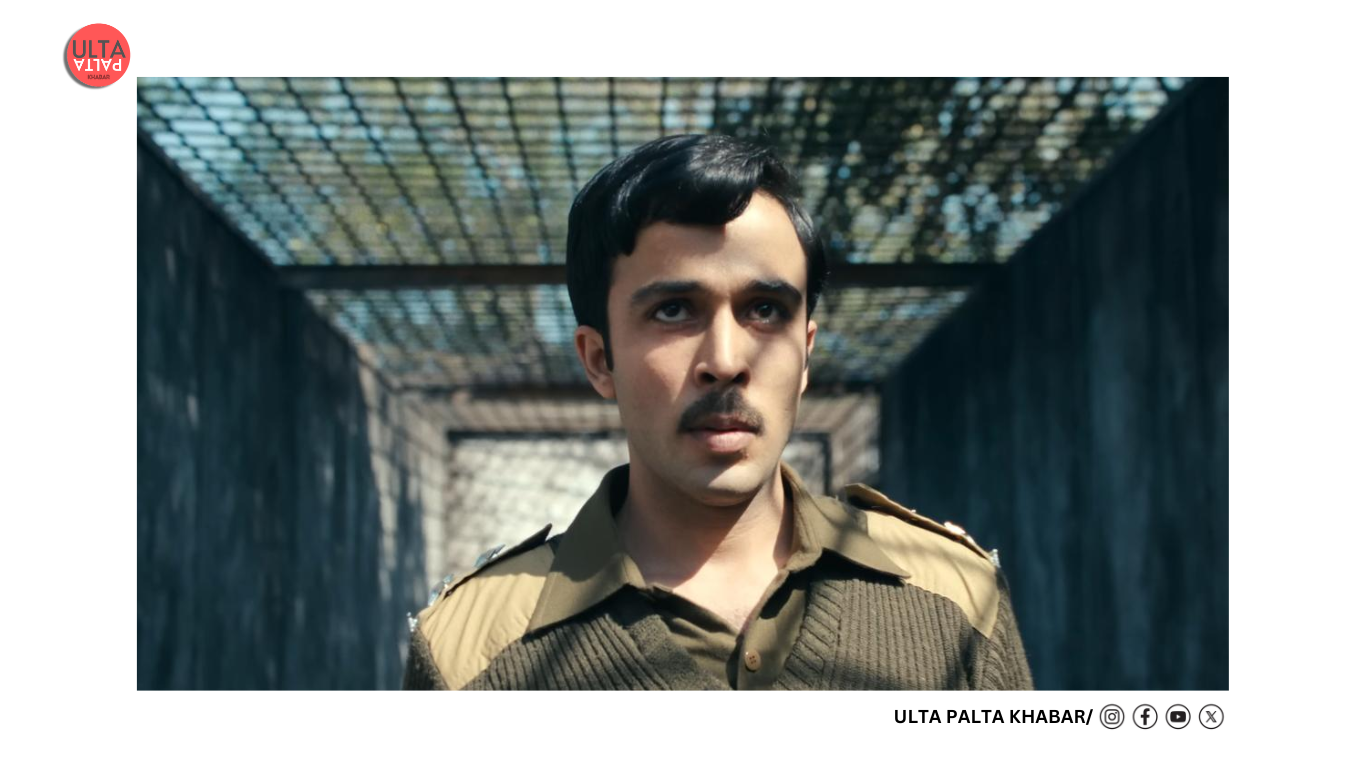
Her partner, Dr. Meera — portrayed by Pratibha Ranta — represents the emotional anchor of the story. Having moved from conservative Meerut to a more accepting environment abroad, Meera now finds herself trapped between love, loyalty, and creeping suspicion.
When allegations spiral into a formal inquiry — pushed forward by a self-righteous journalist played by Mashhoor Amrohi — Geetika’s professional prestige, personal relationships, and psychological stability begin to fracture.
And here lies the film’s masterstroke: it never gives you easy answers.
Note: For optimal viewing on mobile devices, rotate the screen.
A Radical Narrative Shift That’s Making Industry Watch Closely
Most cinematic narratives around workplace misconduct follow a familiar structure — powerful male accused, vulnerable female victim, moral clarity.
Accused demolishes that template.
By placing a queer woman in a position of authority — and then making her the subject of allegations — the film creates a narrative vacuum where certainty collapses. It forces audiences to confront bias, instinct, and the uncomfortable truth that power dynamics are rarely simple.
Writers Sima Agarwal and Yash Keswani deliberately avoid turning queerness into spectacle or commentary. Instead, they present identity as normal — and controversy as destabilizing.
This approach does something rare in mainstream storytelling: it shifts the conversation from who is right to how quickly we decide who is right.
And in an era where online outrage often outruns evidence, that’s a narrative choice with real-world resonance.
The Psychological Fallout Is the Real Story
What makes Accused deeply unsettling is not the allegations themselves — but their ripple effects.
Reputation erodes.
Trust disintegrates.
Love becomes conditional.
Silence becomes suspicious.
The film’s sterile hospital setting amplifies isolation, while editor Prerna Saigal keeps the tension sharp and suffocating.
Meanwhile, Meera hires a private investigator, played by Sukant Goel — and the investigation only deepens ambiguity rather than resolving it.
That narrative choice is intentional. Anubhuti Kashyap refuses melodrama, avoids sensationalism, and instead builds dread through emotional erosion.
The result? Viewers don’t just watch the story — they question their own instincts.
Performances That Blur the Moral Compass
Konkona Sensharma delivers one of her most layered performances yet. Her Geetika is fascinating precisely because she resists categorization.
Her controlled posture, guarded expressions, and calculated emotional distance create a character who is simultaneously commanding and suspicious.
It’s a natural evolution from her earlier portrayal of a dominant queer character in Geeli Puchhi — but Geetika is far more psychologically complex.
Pratibha Ranta, fresh off acclaim for Laapataa Ladies, delivers equally compelling work. Her portrayal of emotional fracture — the subtle withdrawal, hesitant belief, and silent questioning — grounds the film in painful realism.
Together, their chemistry captures something rarely depicted with such nuance: intimacy under suspicion.
Why ‘Accused’ Could Influence Future Storytelling
The film’s biggest impact may not be its streaming numbers — but its narrative implications.
By refusing moral clarity, Accused challenges the industry’s tendency to simplify complex social issues into digestible binaries. It suggests that future storytelling — especially around power and misconduct — may need to embrace ambiguity rather than resolution.
That shift could influence:
- How workplace power dynamics are depicted
- How queer characters are written beyond identity politics
- How media trials and online judgment are portrayed
- How audiences interpret credibility and perception
Filmmakers watching the reception of Accused will likely note one key takeaway: audiences are ready for discomfort — if the storytelling is honest.
The Kashyap Signature: Uncomfortable Truths Over Easy Drama
Both Anurag and Anubhuti Kashyap have built reputations for examining human psychology without moral cushioning.
But Accused feels particularly timely.
It reflects a world where:
- Reputation is fragile
- Allegations spread instantly
- Evidence is debated publicly
- Trust becomes negotiable
And perhaps most unsettling of all — where truth is not always emotionally satisfying.
The Bigger Cultural Conversation Has Already Begun
Since its release, Accused has triggered intense debate among viewers, critics, and social commentators.
Some praise its bold perspective.
Others find its ambiguity frustrating.
Many find it disturbingly realistic.
And that polarization may be its greatest success.
Because Accused doesn’t just tell a story — it forces conversation about power, belief, identity, and the price of public perception.
Also Read: https://ultapaltakhabar.com/the-revenge-buzz-explodes-yami-gautam-calls-film-beyond-extraordinary/
Final Verdict: A Thriller That Lingers Beyond the Screen
At 106 minutes, Accused is not a comfortable watch. But it is an essential one.
It is a psychological thriller, yes — but also a mirror held up to a society that often prefers speed over truth and outrage over understanding.
With razor-sharp direction, fearless writing, and career-defining performances, Anubhuti Kashyap’s film stands as one of the most thought-provoking streaming releases of the year.
And if its impact continues to ripple through audience conversations and industry storytelling alike, Accused may ultimately be remembered not just as a film — but as a turning point in how we narrate power, belief, and accountability in modern cinema.
For now, one thing is certain: this is not a story you watch and forget.
This is a story that stays with you — questioning everything you thought you knew about truth.
Note: For optimal viewing on mobile devices, rotate the screen.
You May Like:
- ultapaltakhabar.com/kritika-kamra-gaurav-kapur-wedding-date-revealed-intimate-march-11-ceremony-grand-mumbai-celebration-to-follow/
- ultapaltakhabar.com/anurag-kashyaps-kennedy-turns-pandemic-paranoia-into-dark-cinema/
- ultapaltakhabar.com/karan-johar-goes-on-digital-detox-bollywoods-mastermind-logs-off-instagram-after-backing-dhurandhar-border-2-and-defending-varun-dhawan/
- ultapaltakhabar.com/vijays-jana-nayagan-caught-in-censor-storm-again-as-madras-high-court-sets-aside-u-a-16-order/

 By
By