
After viral backlash over her red-carpet interview, Alia Bhatt explains what really happened and why this moment could reshape her global celebrity narrative.
The internet moves fast — and when you’re a global movie star representing Indian cinema on one of the world’s biggest stages, every expression, pause, and word can become headline material. That’s exactly what happened when Alia Bhatt attended the 79th British Academy Film Awards last week — and found herself at the centre of a viral social-media storm over a seemingly simple question.
Now, the actor has finally broken her silence — and her candid explanation is sparking a whole new conversation about celebrity pressure, global image management, and the impossible expectations placed on Indian stars abroad.
Here’s everything that happened — and why this moment may matter more than it seems.
Note: For optimal viewing on mobile devices, rotate the screen.
The BAFTA Moment That Went Viral Overnight
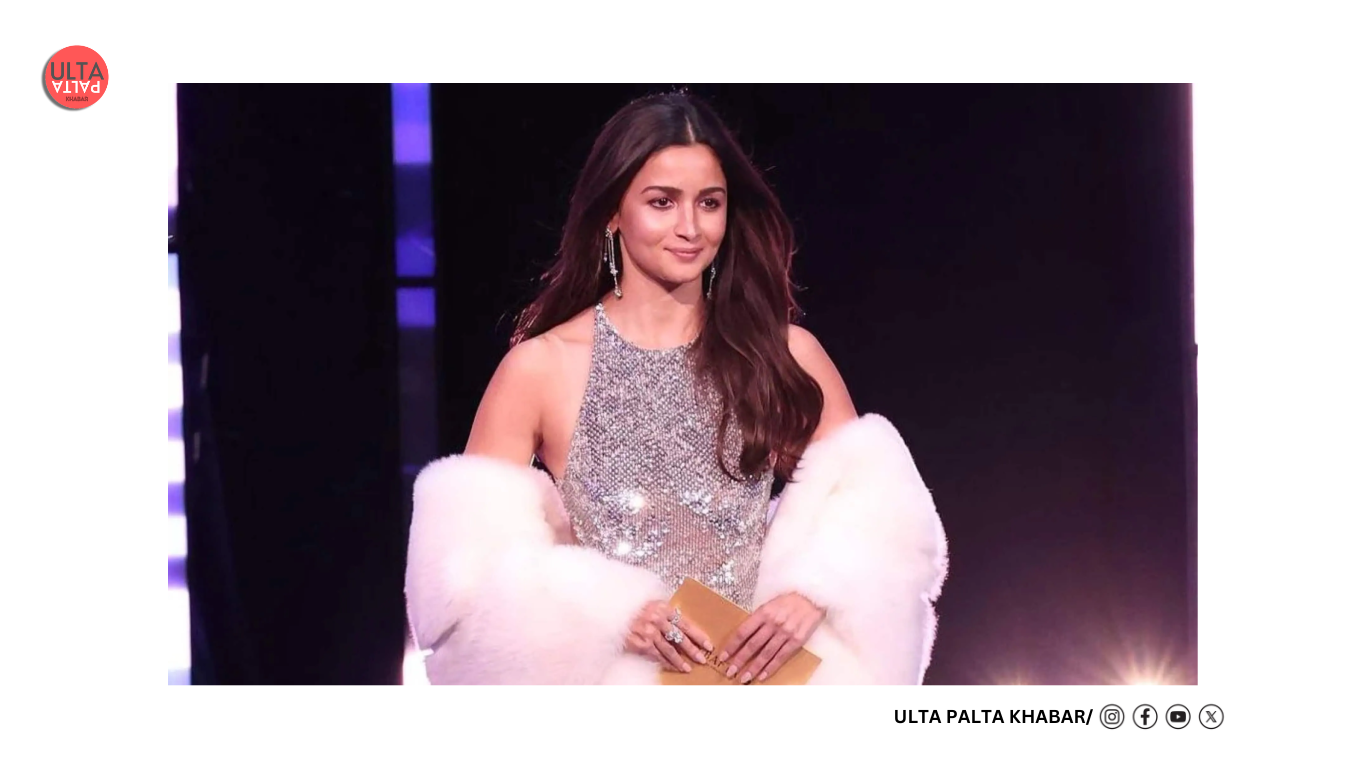
At the prestigious ceremony hosted by the British Academy of Film and Television Arts, Alia Bhatt presented the award for Best Film Not in the English Language — a milestone moment that signalled her growing global presence.
But the real buzz began during a red-carpet interaction.
When asked to name a film with an unforgettable twist, Alia mentioned the psychological thriller Gone Girl.
Simple answer. Simple moment.
Except… the internet didn’t see it that way.
Her brief pause, slightly hesitant tone, and thoughtful expression quickly went viral. Social media exploded with speculation — was she unsure? Had she forgotten the film? Was she trying too hard to appear “international”?
Within hours, the clip turned into meme material, debate fodder, and hot-take commentary.
Some viewers claimed she looked nervous.
Others suggested she was performing confidence.
A few even questioned whether she had watched the film at all.
In the hyper-magnified world of celebrity scrutiny, a five-second pause became a full-blown narrative.
Note: For optimal viewing on mobile devices, rotate the screen.
“Why Is Everyone Talking About My Expression?” — Alia Responds
Instead of ignoring the chatter, Alia addressed the controversy directly in a conversation with fashion commentator Diet Sabya.
Her explanation was refreshingly human.
She said she genuinely considers Gone Girl one of the best twists in cinema — but hadn’t revisited it in years. When the interviewer mentioned specific scenes, she was mentally replaying them to reconnect with the memory.
In her own words, she was simply “going back in time” in her head.
That reflective pause — interpreted online as confusion — was actually recollection.
Then came the line that fans instantly loved:
“I am a sweet girl… not a cool girl. Actually, I’m an uncool girl — my sister would say that.”
In an era of hyper-curated celebrity personas, that admission felt disarmingly authentic.
Why This Became Such A Big Deal
On the surface, this may seem like just another social-media overreaction. But the intensity of the backlash reveals something deeper — especially for Indian actors navigating global fame.
1. The “Global Representation” Pressure
When Indian stars appear on international platforms, they are often seen not just as individuals — but as cultural representatives. Every moment becomes symbolic.
That pressure amplifies scrutiny. A hesitation becomes insecurity. A pause becomes performance.
2. The Myth Of The Perfect Global Star
There’s an unspoken expectation that global celebrities must appear effortlessly confident, endlessly articulate, and culturally fluent at all times.
Any sign of spontaneity — or humanity — disrupts that image.
3. Social Media’s Instant Narrative Machine
Clips are no longer watched — they’re interpreted, framed, meme-ified, and weaponised in minutes.
Context rarely survives virality.
From Gangubai To Global Stages — The Evolution Of Her Public Image
Alia’s journey from powerhouse performer in Gangubai Kathiawadi to international awards presenter has been remarkably fast.
Her rise represents a new generation of Indian actors who are not waiting for Hollywood validation — they are stepping directly into global visibility.
But that transition comes with growing pains.
Every public moment becomes part of a developing international identity — and the internet acts as both cheerleader and judge.
The Bigger Industry Impact — Why This Matters Beyond One Interview
This controversy may fade, but its implications could linger.
Indian Celebrities May Become More Media-Guarded
Expect tighter PR control, more media coaching, and fewer spontaneous red-carpet interactions.
Authenticity becomes riskier when virality is unpredictable.
Public Conversations About Celebrity Anxiety Could Grow
Moments like this expose the psychological strain of constant surveillance — especially in global spaces where cultural interpretation varies.
It May Reshape How Indian Stars Approach International Branding
Rather than chasing Western validation, many may lean harder into authenticity — letting relatability become their global signature.
Ironically, Alia’s “uncool girl” admission may strengthen her international appeal.
What’s Next For Her Career — And Why Timing Matters
Despite the online chatter, Alia’s professional trajectory remains firmly upward.
She’s headlining the female-led spy thriller Alpha, directed by Shiv Rawail and co-starring Bobby Deol and Sharvari Wagh.
The film is expected to be a major expansion of action storytelling in mainstream Hindi cinema — and a significant test of her box-office power in high-octane spectacle territory.
She’s also reuniting with Sanjay Leela Bhansali for the epic romantic drama Love and War alongside Ranbir Kapoor and Vicky Kaushal.
That film alone is expected to dominate headlines well before release.
In other words — a viral interview moment is unlikely to slow her momentum.
Reputation Damage Or Reputation Boost? The Paradox Of Viral Criticism
Here’s the irony: backlash often strengthens celebrity visibility.
Search trends spike. Global recognition rises. Public curiosity deepens.
For many stars, controversy becomes amplification.
In Alia’s case, the moment may actually humanise her global image — transforming her from polished star to relatable personality.
And in today’s fame economy, relatability is power.
The Real Takeaway — A Pause Isn’t A Scandal
Strip away the noise, and this entire episode boils down to something simple:
A person paused to remember a movie scene.
But in a world obsessed with instant perfection, reflection can look like hesitation — and hesitation can look like weakness.
Alia’s response reframed the moment as something far more relatable: memory, pressure, and honesty colliding in real time.
The Final Word
If anything, the BAFTA interview controversy highlights the strange paradox of modern celebrity — where authenticity is demanded but rarely tolerated.
Alia Bhatt didn’t deliver a rehearsed soundbite. She delivered a human reaction.
And perhaps that’s exactly why the world noticed.
Because in the age of perfectly curated fame… real moments still stand out the most.
Note: For optimal viewing on mobile devices, rotate the screen.
You May Like:
- ultapaltakhabar.com/kritika-kamra-gaurav-kapur-wedding-date-revealed-intimate-march-11-ceremony-grand-mumbai-celebration-to-follow/
- ultapaltakhabar.com/anurag-kashyaps-kennedy-turns-pandemic-paranoia-into-dark-cinema/
- ultapaltakhabar.com/karan-johar-goes-on-digital-detox-bollywoods-mastermind-logs-off-instagram-after-backing-dhurandhar-border-2-and-defending-varun-dhawan/
- ultapaltakhabar.com/vijays-jana-nayagan-caught-in-censor-storm-again-as-madras-high-court-sets-aside-u-a-16-order/


 By
By