
Gritty, political and unapologetically unsettling, the noir thriller blends lockdown dread, corruption and psychological revenge in one of Kashyap’s most talked-about films.
When the screen lights up with a haunting quote from William Wordsworth about youthful hope descending into madness, you instantly know this is not going to be an easy watch. And that’s exactly how Kennedy wants it.
Gritty, shadowy and dripping with psychological tension, the film marks another provocative entry in the filmography of Anurag Kashyap — a filmmaker who has long been fascinated with moral decay, institutional rot and the human psyche under pressure.
But this time, he turns the lens toward a pandemic-stricken metropolis where silence is power, corruption is routine, and ghosts walk among the living.
And the ghost at the centre of it all? A man officially declared dead.
Note: For optimal viewing on mobile devices, rotate the screen.
A Phantom Cop With Unfinished Business
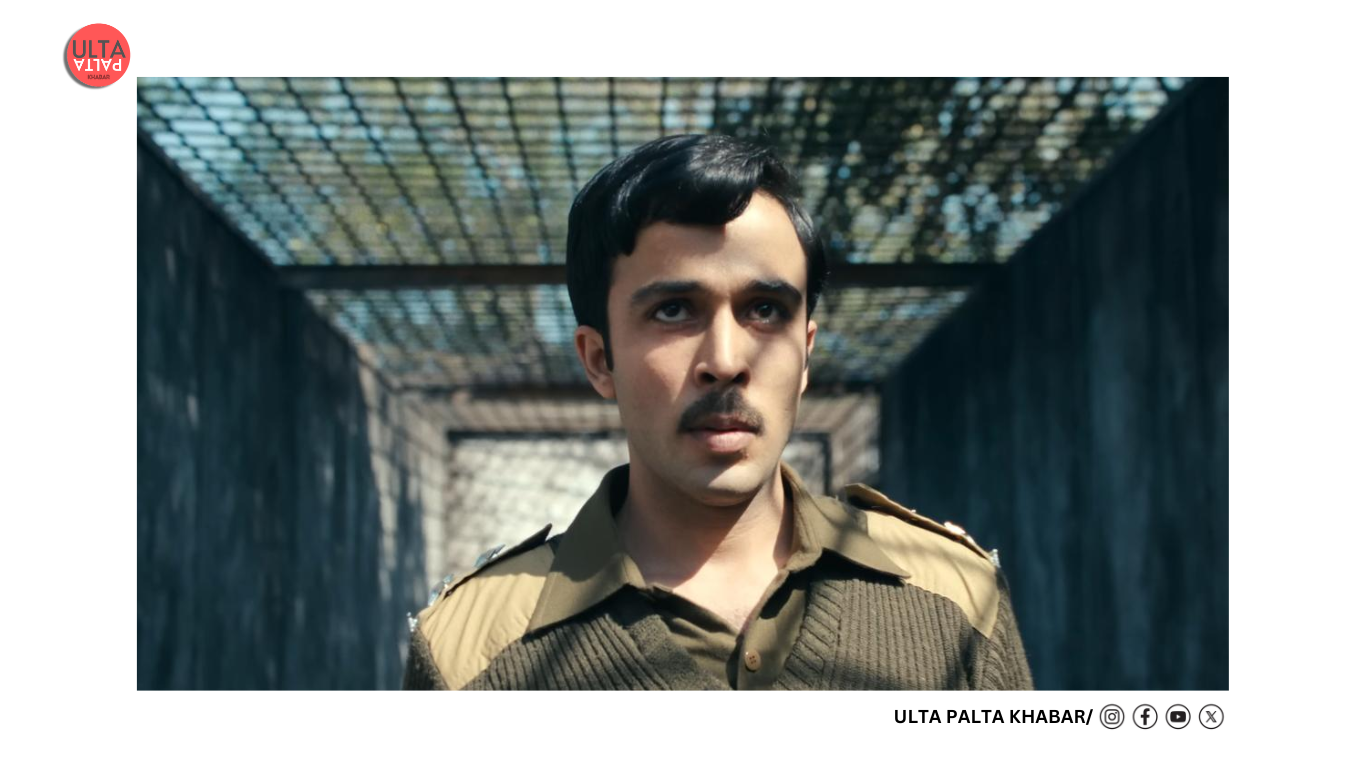
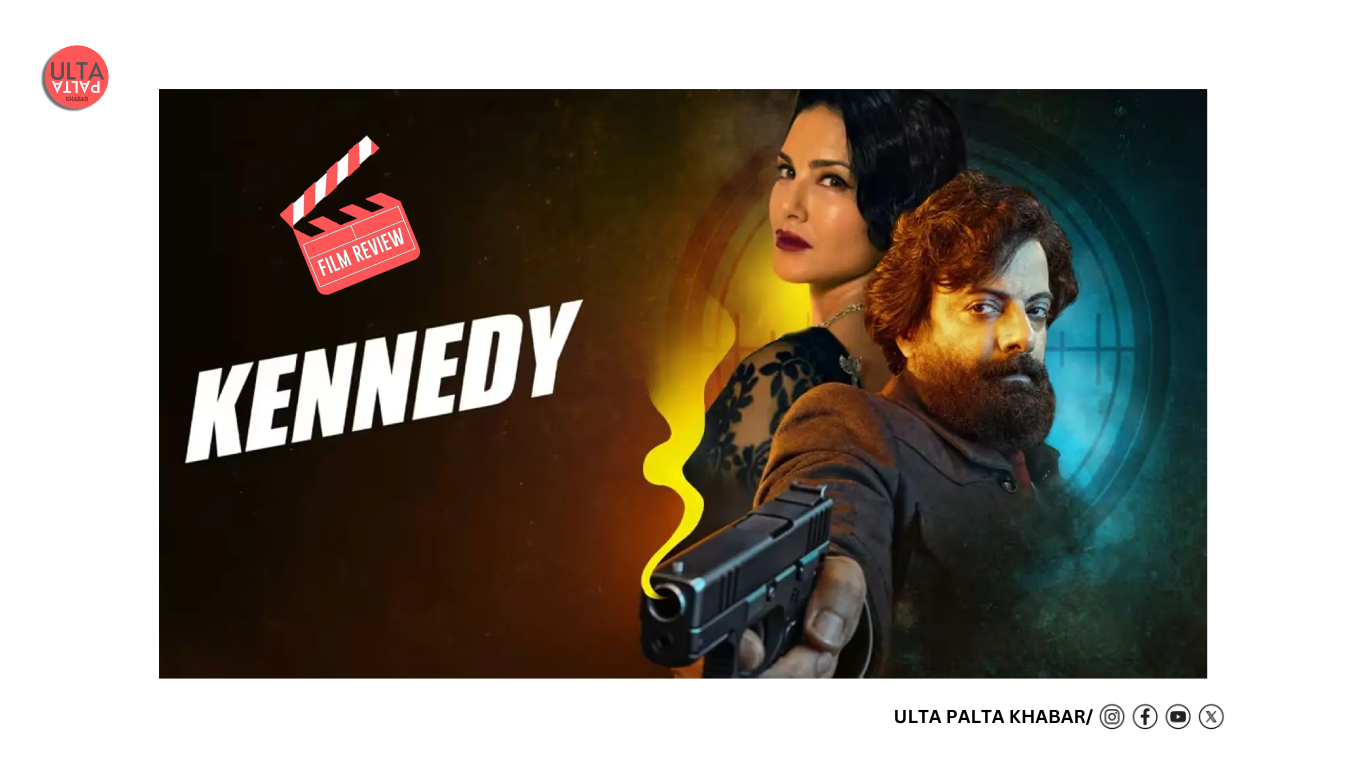
At the heart of the film is a chilling performance by Rahul Bhat, who plays Uday Shetty — a former cop presumed dead but secretly working as a shadow hitman.
Operating in a morally bankrupt system, he carries out assassinations for a corrupt police commissioner, played by Mohit Takalkar. Their arrangement is simple but sinister: kills in exchange for information.
Uday wants to find the underworld figure responsible for destroying his family life. Revenge is not just motivation — it is oxygen.
But Kashyap does not present revenge as explosive or cinematic. Instead, he lets it simmer slowly, infecting every frame like a lingering fever.
The film’s mood is heavy, hypnotic and unsettling. Violence rarely explodes — it seeps.
A Title With Hidden Bollywood Lore
In a twist that has sparked plenty of industry chatter, the film is intriguingly named after the real name of Tamil superstar Vikram.
Cinema insiders know that the director and the South Indian icon were once expected to collaborate. That project never materialised — but the name stayed, becoming an echo of what could have been.
In true Kashyap fashion, even the title carries history, irony and unresolved possibility.
Note: For optimal viewing on mobile devices, rotate the screen.
Lockdown Mumbai Becomes A Character
Set in the eerie stillness of pandemic lockdowns, the film transforms Mumbai into a suffocating labyrinth of silence and dread.
Empty streets, masked faces and deserted buildings amplify themes of alienation. The city doesn’t just serve as backdrop — it breathes, watches and traps.
The cinematography by Sylvester Fonesca captures this beautifully. His camera is both intrusive and detached, observing the decay without sentiment.
Every frame feels claustrophobic, even in open spaces. The metropolis looks vast — yet inescapable.
Sunny Leone’s Unexpected Turn
Adding intrigue to the narrative is Sunny Leone, who plays Charlie — an enigmatic woman whose life intersects with Uday’s in unexpected ways.
Her performance deliberately subverts expectations. Gone is the glamour. In its place is desperation, survival instinct and emotional fragility.
Her character’s nervous laugh — a psychological defence mechanism — has become one of the film’s most talked-about elements. Some viewers find it hauntingly effective. Others feel it disrupts the film’s tonal intensity.
Either way, it keeps audiences talking — and that’s never accidental in Kashyap’s universe.
Fiction Rooted In Real-World Power Games
The film’s political undercurrent has sparked intense discussion. Kashyap draws inspiration from real-life events, including the 2021 bomb scare near Antilia.
From there, he constructs a fictional world where politicians, corporate power, police machinery and the underworld exist in symbiotic corruption.
The film suggests something chilling: crisis does not weaken corrupt systems — it strengthens them.
Even during a global health emergency, power continues to operate through silence, control and erasure.
And that’s the film’s most unsettling message.
Streaming Buzz And Audience Curiosity
With its digital release on ZEE5, the film has found a wider audience — and intense debate.
Viewers are divided, which is often the case with Kashyap’s work.
Some praise the atmospheric storytelling and psychological complexity. Others feel the narrative fragmentation and arthouse tone make it emotionally distant.
But almost everyone agrees on one thing — it refuses to be ignored.
Performance That Anchors Chaos
If there is one universally praised element, it is Rahul Bhat’s performance.
He carries the film’s emotional architecture — rage, grief, emptiness and menace flicker across his face often within the same scene.
His portrayal turns Uday into both predator and victim — a man who has crossed the moral mirror and cannot find his way back.
He doesn’t dominate the screen loudly. He haunts it quietly.
A Film That Chooses Mood Over Momentum
This is not a fast-paced thriller. It is a slow-burn psychological descent.
Scenes linger. Silence stretches. Emotions simmer rather than erupt.
The storytelling prioritises atmosphere over clarity, which can feel hypnotic or frustrating depending on the viewer’s expectations.
There are also visible signs of censorship’s shadow — certain political edges feel polished rather than jagged.
Yet the film’s ambition remains undeniable.
Kashyap’s Cinema Without Safety Nets
Perhaps the most fascinating aspect of the film is its unapologetic inconsistency.
It is polished yet raw. Focused yet fragmented. Political yet ambiguous.
And that duality seems intentional.
Kashyap appears less interested in delivering perfect cinema — and more interested in confronting uncomfortable truths.
The result is a film that feels alive, flawed and unpredictable.
Why ‘Kennedy’ Still Matters
Even though the film was completed earlier, its themes feel disturbingly relevant.
Institutional power, systemic corruption, emotional isolation — these issues have only intensified in public conversation.
With hindsight, the film’s political observations feel sharper, not dated.
And perhaps that’s why the conversation around it continues to grow.
Final Verdict: A Haunting Experience, Not Easy Entertainment
This is not popcorn cinema. It is psychological immersion.
It is uncomfortable, layered and emotionally heavy — exactly the kind of storytelling that divides audiences and fuels debate.
But whether viewers admire or resist it, one thing is undeniable:
“Kennedy” doesn’t just tell a story.
It lingers like a bruise — invisible, but impossible to ignore.
Note: For optimal viewing on mobile devices, rotate the screen.
You May Like:
- ultapaltakhabar.com/vicky-kaushals-uri-crossover-in-dhurandhar-2-fans-react-strongly-as-ranveer-singh-sequel-sparks-shared-universe-debate/
- https://ultapaltakhabar.com/cbfc-vs-vijays-jana-nayagan-turns-dramatic-in-madras-high-court-as-makers-cite-dhurandhar-2-release-date-row/
- ultapaltakhabar.com/the-50-palace-tour-sparks-bigg-boss-pro-max-buzz-farah-khans-reality-show-faces-squid-game-comparisons-ahead-of-feb-1-premiere/
- ultapaltakhabar.com/shahid-kapoor-triptii-dimri-set-screens-on-fire-in-oromeo-trailer-vishal-bhardwaj-returns-with-his-darkest-love-story-yet/


 By
By